

Business Operation · 2025
In this section22 topics
- Corporate Information4 items
- Dividend Policy2 items
- Major Shareholders1 item
- Business Strategies Overview6 items
- Material Changes & Developments1 item
- Use of Proceeds from Securities Offerings2 items
- Commitments Made in the Registration Statement1 item
- Group Operating-Structure Policy1 item
- Companies Where the Company Holds ≥10%1 item
- Shareholders with Potential Conflict of Interest1 item
- Relationships Among Major Shareholders1 item
- Shareholders' Agreement1 item
- Shareholding Diagram (Group Structure)3 items
- Income Structure3 items
- Product / Service Characteristics3 items
- Research & Development6 items
- Assets Used in the Business4 items
- Marketing Policy & Competition3 items
- Procurement of Products & Services5 items
- Projects Under Construction1 item
- Debentures & Bills of Exchange2 items
- Convertible Securities1 item
Corporate Information
Company Name
UAC GLOBAL PUBLIC COMPANY LIMITED
Telephone
0-2936-1701
Website
www.uac.co.th
info@uac.co.th
Dividend Policy
Dividend Policy
The Company’s dividend payment policy is fixed at the minimum 40% of net profit of the separate financial statement after taxes and all statutory reserves required by law. However, such dividend payment must also depend upon cash flow, investment plan, terms and conditions in agreements bound by the Company, including legal restrictions, necessities, and appropriateness in the future. In addition, the Board of Directors’ resolution on approval of the dividend payment is required to be proposed to the shareholders’ meeting for the approval, except in case of the interim dividend, where the Board of Directors has power to approve and then report to the shareholders’ meeting for acknowledgement in the next meeting.
Historical Dividend Payments
| This Year | Last Year | 2 Years Ago | 3 Years Ago | 4 Years Ago | Metric | Description |
|---|---|---|---|---|---|---|
| 0.09 | 0.75 | 0.42 | 0.13 | 0.39 | Net profit per share (Baht : Share) | Net profit per share (baht : share) |
| 0.2 | 0.5 | 0.22 | 0.12 | 0.28 | Dividend per share (Baht : Share) | Dividend per share (baht : share) |
| 0 | 0 | 0 | 0 | 0 | Dividend stock ratio (Number of original shares: dividend shares) | Ratio of stock dividend payment (existing share : stock dividend) |
| 0 | 0 | 0 | 0 | 0 | Dividend share value per share (Baht : Share) | Value of stock dividend per share (baht : share) |
| 0.2 | 0.5 | 0.22 | 0.12 | 0.28 | Total dividend payment value (Baht : Share) | Total dividend payment (baht : share) |
| 224.14 | 66.29 | 68.15 | 92.42 | 72.46 | Dividend payout ratio to net profit (%) | Dividend payout ratio compared to net profit (%) |
| 0 | 0.25 | 0.12 | 0 | 0.08 | Dividend Interim | |
| 0 | 0.25 | 0.1 | 0 | 0.2 | Dividend Annual |
Business Strategies Overview
Chairman's Message
“30 Years of Commitment
Empowering the World to Move to Sustainable Future”
EMPOWERING SUSTAINABILITY
Aiming to build long-term value to all groups of stakeholders
And is ready to be an important force in driving the country’s energy sector
Through the development of work processes to enhance efficiency, application of appropriate innovation and technology as well as conducting business with social and environmental responsibility.
In 2025, the global economic outlook still faced challenges from macroeconomic fluctuations, the US reciprocal tariff policy, geopolitical uncertainty, energy and commodity prices as those factors affected the industrial sectors and the world trade. At the same time, domestic economic growth remained low with the support forces from the tourism and export sectors, but there was still pressure from energy costs, household debt burdens, liquidity and financial costs.
Under such context, UAC Group has prudently operated business, whereas the Board of Directors has reviewed the vision, mission, short-term and long-term strategies in accordance with the changing economic conditions, emphasizing on risk management to be in line with the Company’s policies in terms of operational risks, ESG risks and emerging risks, as well as cost control, operational optimization and balancing of business groups, in Trading, Energy, Petroleum Businesses to maintain long-term performance stability.
Due to economic conditions which still have tendency to slow down, under internally and externally risk factors, as a result, UAC Group’s revenues from business operations recorded at 1,672.97 Million Baht, decreased by 23.25 % compared to the previous year; selling and administrative expenses decreased by 123.89 million Baht, or 29.84% the profit attributable to the parent company and EBIITDA was 65.74 million Baht, and 237.15 million Baht, respectively, reflecting the ability to adapt amidst various fluctuations while focusing on creating consistent cashflow, proper management of capital structure to enhance financial strength and support future growth opportunities.
Throughout the business operations for more than 30 years, UAC has accumulated knowledge, expertise, and experiences in various businesses, both domestically and internationally, and is ready to respond to the changes in all phases which are regarded as the solid foundation reflecting strength, flexibility and continuity of business operations, which is the important power that driving UAC to move to the future strongly and sustainably. Moreover, throughout the past period, UAC has continued to focus on conducting business under the principles of good corporate governance, placing importance on transparent business operations, anti-corruption, respect for human rights, consideration for stakeholders and taking care of the environment and society for sustainable and balanced development.
In terms of sustainability, UAC still adheres to operating businesses in accordance with ESG concepts and supporting the transition to clean energy by putting emphasis on alternative energy business, efficient use of energy and reduction of greenhouse gas emission in accordance with the Net Zero Goal in 2050. The Company also continues to focus on developing the environmentally-friendly projects, promoting the use of renewable energy, and systematically managing environmental impacts including prioritizing safety, occupational health and personnel potential development along with creating shared value with the communities, stakeholders and operating with transparency, verifiability, adherence to the Code of Business Ethics to build trust among shareholders and stakeholders in all sectors.
With a commitment to conduct business with responsibilities in all dimensions, the Company has been continuously recognized by many leading organization, consequently, the assessment results on the Corporate Government Report (CGR) was at an "Excellent" level for the eighth year, earned “AA Level” from assessment result on SET ESG Ratings for 2025 from the Stock Exchange of Thailand (SET), received the Sustainability Disclosure Recognition Award for Sustainability Disclosure 2025 from Thaipat Institute for the fifth consecutive year.
On the 30th anniversary of UAC Group, UAC Global Public Company Limited would like to thank all shareholders and stakeholders for their continued trust, confidence and support for the Company. Lastly, the Company would like to pledge to continue to strive to create growth for the business together with good corporate governance, to build good returns for shareholders and sustainable values to all stakeholders by driving the organization under the concept of “FOR SUSTAINABLE FUTURE”.
(Assoc. Prof. Dr. Paiboon Sareewiwatthana) (Mr. Kitti Jivacate) (Mr. Chatchaphol Prasopchoke)
Chairman of the Board of Directors Chairman of the Executive Committee Chief Executive Officer and President
Vision
The Company determines to be an environmentally friendly operator of clean energy, petrochemicals and utilities and it shall maintain its national leadership and to be accepted at international level.
Objectives
Missions
To determine to engage business in clean and environmentally friendly energy, petrochemicals and utilities beneficially to the country, environment and society,
To operate business by adhering to corporate governance principles by treating business partners fairly, transparently and anti-corruption.
To be responsible to shareholders by adding values to business continually and creating stable returns to the shareholders in the long term.
To determine to become a happy organization by taking into consideration the fair working environment and compensation and promotion of career path of the employees.
Goals
The Company’s first priority in operating the business is the customers and goals of its business operations are as follows:
Supply good quality and up-to-standard products as per specified by the customers. There are processes on procurement and selection of qualified and up-to-standard products with Certificate of Acceptance (COA) and product details for continual delivery as per the customers’ requirements.
Build customer satisfaction from quality of products delivered and after-delivery processes, as well as deliver products on time or as per the customers’ requirements.
Improve the works continually by focusing on the employee engagement and the organization with fair management. Support processes on development of quality and enhancement of the employees’ knowledge, so that they can select and present qualified products to the customers.
Increase revenue and products in main customer groups, i.e., energy industry, petrochemical, lubricant and utilities system groups.
Expand investment in renewable energy industry and utilities business continually, in order to make them become the main sources to increase the Company’s net profit sustainably.
Put emphasis on safety of the employees and the related parties. Stringent safety system must be arranged to prevent injury or damage-related accidents.
Prevent and anti-corruption for business operations in every kind by encouraging the directors, the executives and the employees to realize about good corporate governance principles and motivate them to observe those principles continually.
Business Strategies
N/A
Other Information
| Name | Description |
|---|---|
| UAC Core Value | W Workplace happiness E Ethics R Responsibility U Unity A Authenticity C Competency |
Material Changes & Developments
Material Changes & Developments
| Year | Description |
|---|---|
| 2,023 |
Awards and Achievement
|
| 2,024 |
Awards and Achievement
|
| 2,025 |
Awards and Achievement
|
Use of Proceeds from Securities Offerings
Is There Money Raised from a Securities Offering Still to Report On?
Yes
Offerings
| Type of Securities | Amount Raised Given As | Amount Raised (Million Baht) | Uses of the Money | Used as Declared? |
|---|---|---|---|---|
| Debt Instruments | 2873 | 500,000,000 | 2022-06 · Objective: Bond repayment 300 Mill. Baht · Period type: 2871 · Start period: 2022-06 · Spent amount type: 2873 · Start spent amount: 300000000.0 · Expected amount type: 2873 · Start expected amount range: 300000000.0 · 2022-12 · Objective: Loan repayment 50 Mill. Baht · Period type: 2871 · Start period: 2022-12 · Spent amount type: 2873 · Start spent amount: 50000000.0 · Expected amount type: 2873 · Start expected amount range: 50000000.0 · 2023-12 · Objective: working capital 150 Mill. Baht · Period type: 2871 · Start period: 2023-12 · Spent amount type: 2873 · Start spent amount: 150000000.0 · Expected amount type: 2873 · Start expected amount range: 150000000.0 | Y |
Commitments Made in the Registration Statement
Are There Commitments or Conditions from an Offering or Listing?
No
Group Operating-Structure Policy
Description
The Board of Directors has oversight mechanism that can control, supervise on administration and is responsible for operations of the subsidiaries and associated companies to preserve benefits of the Company’s investments. The Company’s representatives are assigned to be the director and/or the executive in the subsidiaries and the associated companies pursuant to shareholding proportion of such companies. The Board of Directors shall consider and approve on appointment of the Company’s representative to hold position of director and or the executives in the subsidiaries and the associated companies, as well as their power, duty and responsibilities. In addition, with regards to stipulation of important policy on business operations of the subsidiaries and the associated company, they shall be presented to the Company’s Board of Directors to consider and approve before proposing to the board of directors of the subsidiaries or the associated companies, so that the supervision on their operations shall be efficiently and in line with the operation criteria of the Company.
Companies Where the Company Holds ≥10%
Companies (≥10% Holding)
| Company Name | Address | Province | Zip Code | Telephone | Fax | Business Type | Security Type | Shares | Paid-up Shares |
|---|---|---|---|---|---|---|---|---|---|
| UAC Utilities Company Limited | No 1, TP&T Tower, 19th Floor, Soi Vibhavadirangsit 19, Vibhavadirangsit Road, Chatuchak Sub-District, Chatuchak District | Bangkok | 10900 | 0-2936-1701 | 0-2936-1700 | petroleum production | Common shares | 1,000,000 | 1,000,000 |
| UAC & TPT Energy Company Limited | No. 1, TP&T Tower, 19st Floor, Soi Vibhavadirangsit 19, Vibhavadirangsit Road, Chatuchak Sub-District, Chatuchak District | Bangkok | 10900 | 0-2936-1701 | 0-2936-1700 | Investment in Biogas plant for transportation and general industry | Common shares | 1,500,000 | 1,500,000 |
| UAC & TPT Energy Company Limited | No. 1, TP&T Tower, 19st Floor, Soi Vibhavadirangsit 19, Vibhavadirangsit Road, Chatuchak Sub-District, Chatuchak District | Bangkok | 10900 | 0-2936-1701 | 0-2936-1700 | Investment in Biogas plant for transportation and general industry | Preferred shares | 166,667 | 166,667 |
| UAC Energy Company Limited | No. 1, TP&T Tower, 19th Floor, Soi Vibhavadirangsit 19, Vibhavadirangsit Road, Chatuchak Sub-District, Chatuchak District | Bangkok | 10900 | 0-2936-1701 | 0-2936-1700 | Investment in energy projects | Common shares | 2,000,000 | 2,000,000 |
| Solar Energy Roof Power Company Limited | (Shareholding by UAC Energy Company Limited 99.99% ) No. 1, TP&T Tower, 19th Floor, Soi Vibhavadirangsit 19, Vibhavadirangsit Road, Chatuchak Sub-District, Chatuchak District, Bangkok 10900 | Bangkok | 10900 | 0-2936-1701 | 0-2936-1702 | Generating and distribution of electricity from Solar power | Common shares | 125,250 | 125,250 |
| UAC Trading Solutions Company Limited | No. 1, TP&T Tower, 19th Floor, Soi Vibhavadirangsit 19, Vibhavadirangsit Road, Chatuchak Sub-District, Chatuchak District | Bangkok | 10900 | 0-2936-1701 | 0-2936-1700 | Trading | Common shares | 200,000 | 200,000 |
| Vientiane Waste Management Company Limited | (Shareholding by UAC Energy Company Limited 50.01% ) Dongsavath Village, Sisatthanak District, Vientiane, LPDR. | Foreign country | (+856) 20 99903393 | Waste Management at Vientiane, LPDR. | Common shares | 36,450,000 | 36,450,000 | ||
| PT CAHAYA YASA CIPTA | (Shareholding by UAC Energy Company Limited 70.00%) Gedung Citylofts Sudirman JI.KH.Mas Mansyur No.121 Unit 2710, Jakarta | Foreign country | N/A | Waste Management | Common shares | 40,000 | 40,000 | ||
| UAC Advance Polymer & Chemicals Company Limited | No. 1, TP&T Tower, 21st Floor, Soi Vibhavadirangsit 19, Vibhavadirangsit Road, Chatuchak Sub-District, Chatuchak District | Bangkok | 10900 | 0-2537-9016 | 0-2537-9015 | Manufacturing and distribution of latex emulsion and latex polymer | Common shares | 3,900,000 | 3,900,000 |
| PPWE Company Limited | No. 2/2 Soi Krungthep Kritha 8(5), Krungthep Kritha Road, Huamark Sub-District, Bangkapi District | Bangkok | 10240 | 0-2379-3902 | Investment in energy projects | Common shares | 400,000 | 400,000 | |
| ODIN Power Company Limited | No. 333/3 Moo 6, Thumbon Bang Preang, Amphur Bang Bor | Samut Prakarn | 10560 | 0-2108-0360-6 | Investment in energy projects | Common shares | 4,000,000 | 4,000,000 | |
| ODIN Power Company Limited | No. 333/3 Moo 6, Thumbon Bang Preang, Amphur Bang Bor | Samut Prakarn | 10560 | 0-2108-0360-6 | Energy | Common shares | 4,000,000 | 4,000,000 |
Income Structure
Product / Service Income
| Category | Description | This Year | This Year % | Last Year | Last Year % | 2 Years Ago | 2 Years Ago % |
|---|---|---|---|---|---|---|---|
| Total revenue from operations | Total revenue from operations | 1,707,609.41 | 100 | 2,495,503.44 | 100 | 1,850,028.08 | 100 |
| 1. Trading | 1,254,268.78 | 73.45 | 1,823,878.84 | 73.09 | 1,287,727.08 | 69.61 | |
| 2. Petroleum Exploration and Production Business | 202,685.72 | 11.87 | 195,064.67 | 7.82 | 64,785.35 | 3.5 | |
| 3. Manufacturing - Energy | 201,489.14 | 11.8 | 169,955.21 | 6.81 | 190,229.06 | 10.28 | |
| 4. Project Consultant | 14,530.36 | 0.85 | 0 | 0 | 47,034.21 | 2.54 | |
| Profit Sharing from Investment in Associates | 3,212.56 | 0.19 | 114,212.99 | 4.58 | 87,835.79 | 4.75 | |
| Other | Other | 31,422.85 | 1.84 | 192,391.73 | 7.71 | 172,416.59 | 9.32 |
Export Income
| Category | Description | This Year | This Year % | Last Year | Last Year % | 2 Years Ago | 2 Years Ago % |
|---|---|---|---|---|---|---|---|
| Total revenue | Total revenue from operations | 1,707,609.41 | 100 | 2,495,503.44 | 100 | 1,850,028.08 | 100 |
| Domestic | Domestic | 1,625,838.13 | 95.21 | 2,462,243.17 | 98.67 | 1,772,013.08 | 95.78 |
| International | International | 81,771.28 | 4.79 | 33,260.27 | 1.33 | 78,015 | 4.22 |
Other Income
| Operating Other Income | Non-Operating Other Income | Share of Profit |
|---|---|---|
| 1710 · As of year: 31422.86 · Description: Total other income · As of yesteryear: 192391.74 · As of year before yesteryear: 172416.6 · 1711 · As of year: 0.0 · Description: Other income from operations · As of yesteryear: 0.0 · As of year before yesteryear: 0.0 | 1712 · As of year: 31422.86 · Description: Other income not from operations · As of yesteryear: 192391.74 · As of year before yesteryear: 172416.6 | 1713 · As of year: 3212.56 · Description: Share of profit · As of yesteryear: 114212.99 · As of year before yesteryear: 87835.79 |
Product / Service Characteristics
Introduction
Business Type
3114
Business Groups
| Business Group | Description | ||||||||||||||||||||||||||||||||||||||||||||||||||||||||||||||||||||||||||||||||||||||||||||||||||||||||||||||||||||||||||
|---|---|---|---|---|---|---|---|---|---|---|---|---|---|---|---|---|---|---|---|---|---|---|---|---|---|---|---|---|---|---|---|---|---|---|---|---|---|---|---|---|---|---|---|---|---|---|---|---|---|---|---|---|---|---|---|---|---|---|---|---|---|---|---|---|---|---|---|---|---|---|---|---|---|---|---|---|---|---|---|---|---|---|---|---|---|---|---|---|---|---|---|---|---|---|---|---|---|---|---|---|---|---|---|---|---|---|---|---|---|---|---|---|---|---|---|---|---|---|---|---|---|---|---|
| 1. Import and Supply of Chemicals and Equipment for Industrial Use | Nature of Products or Services The Company engages in business of import and supply of chemicals and equipment used in various industries, such as, natural gas exploration and production, refinery, petrochemicals, lubricant oil production plant, polymer and plastic industrial plant, chemical industrial plant, power plant and utilities etc. Products and services supplied by the Company can be classified into 4 groups according to nature of business and services of the customers as follows: 1.1) Products in Energy and Petroleum Business Group, such as
1.2) Products in Industrial Business Group, such as
1.3) Other Products, i.e., crude glycerin, refined glycerin, and other export products. 1.4) Provision of services, such as consultancy and coordination services for design of manufacturing process, refineries, petrochemical industrial plants, and other industries. Details of Products in each Business Group are as follows: 1.1) Products in Energy and Petroleum Business Group Products in Oil & Gas Refinery and Petrochemicals Industries Most of products in this group are Adsorbent and Molecular Sieve to sieve adulterants in crude oil and natural gas before they are entering into the production processes. Details of products supplied by the Company in this group are as follows:
Products in Emission & Waste Management Group
1.2) Products in Industrial Business Group Chemicals Products Chemical products consist of solvent, additives, and catalyst, which are parts of the raw materials in products manufacturing industry processes, and they can be used on continuous industries, such as paint and printing ink industry, chemical coating and resin manufacturing industry, textiles industry, lubricant and industrial oil industry, metal forming industry and bio-diesel plant. Major chemical products supplied are as follows:
Products in Power & Utility Group Machines and equipment for power plant, tab water production plant and raw water treatment plant supplied by the Company include:
1.3) Other Products, such as crude glycerin, refined glycerin, and other exported products.
1.4) Provision of Service, such as provision of adsorbent efficiency inspection services to plan for maintenance in advance and rental of filter, consultancy services, coordination with other companies regarding design process of oil refinery, petrochemical industry, and other industries; biogas power plant which used energy crops as fuel, including construction and installation work, inspection and cleaning services of reactor and heat exchanger, provision of consultancy services and provision of garbage milling and separator for RDF production. Process for Products Receiving and Storing in the Warehouse and Delivery to the Customers
Quality and Standards of Products Supplied The Company places importance on the quality and standard of the products supplied to ensure that they are following specifications agreed with the customers. Chemicals that the Company orders from the manufacturer shall be packed in a closed drum with Certificate of Acceptance (COA) from the manufacturer before they are shipped to the Company. The Company shall supply such chemicals in closed drum with COA to the customers without opening the drum to ensure that the customer shall receive products with complete quality and standards from the manufacturers. In addition, the Company has been certified on ISO 9001:2015 Quality Management System Standards from SGS (Thailand) Co., Ltd. for import and distribution of chemicals, adsorbent, catalysts, filter, and equipment used in oil, energy, petrochemicals, and utilities business. Characteristics of Customers and Target Customers The Company’s customer groups are manufacturers in various industries which need chemicals and equipment to use in their production process. Main customer groups of the Company are the manufacturers in infrastructure industries of the country, i.e. gas separation plant, oil refinery, petrochemicals etc. Products sold by the Company can be used variedly, depending on the application requirements of the customers. Target customers can be divided by service & products characteristics into 4 groups as follows:
The Company always has a good relationship with the customers and new products have been sought continually to respond to the customers’ needs. Apart from selling various types of products and equipment, the Company also provides related consultancy and after-sales-services to the customers. The Company places importance on quality of products and on time delivery and commits to improve work operations continually by conducting satisfactory surveys with the customers regularly, and the results gained shall be used to improve our operation. The Company also provides suggestions and jointly plans with the customers to enhance efficiency of service provision, as well as completely complies with conditions, criteria, and requirements of the customers, so the Company has always been trusted by the customers. Pricing Policy The pricing policy used by the Company is cost plus pricing and the selling price must be flexible pursuant to the market prices of each type of product. Most chemical products supplied by the Company are products of crude oil refinery process and petrochemical productions. The pricing mechanism of products or product costs of the Company shall be defined and fluctuated by pricing condition of oil and petrochemicals. Consequently, product pricing must be flexible and suitable with nature of each product, target group of customer, quantity, and value of purchasing order and it must also be able to compete with other competitors in the market and at the same time it must be able to maintain adequate margin to support expenses on sales, management, and operations. Supply and Distribution Channel Almost of the Company’s products are sold within the country by the Company’s sales team who work in head office in Bangkok and branch office in Rayong Province. The sales team shall divide responsibility into each product group, and shall contact, take care of customers’ requirements and present products directly. They also contact with the manufacturers or the business partners continually, so that demand of the customers including details of products, tendency of quantity and pricing in the manufacturer’s market, competitive environment in the market shall be acknowledged in advance for purposes of effective planning and fixing of product price. Most of the products supplied by the Company have received purchase orders from the customers in advance with a preparation period for the purchasing and delivery process as per the agreed schedule. The customers usually specify their requirements, standards, sources, or manufacturers for the Company, so that the Company can procure the products in accordance with their requirements, including propose price and sales conditions in bidding nature. Most of the products supplied are products which are made from the manufacturers trusted by the customers and corresponding to the customers’ production process standards which they must use them continually. Procurement of Products and Services Most of the products supplied by the Company have been imported from many manufacturers in foreign countries and most of them are world-class manufacturers of leading chemicals products and equipment used in natural gas exploration and production, oil refinery and petrochemicals industries. The Company has a policy to focus on distribute and being a distributor of the products with good quality and standards that conform to requirements of the customers, with clear process on selection of product, COA, source, and details of products, i.e. type of chemicals, chemicals compounds, chemical hazardous preventive, and corrective action, etc. The business partners who supply the products to the Company must register with the Company and the Company shall regularly review such list for effective operations and creation of confidence on the product supplied. The Company plans to purchase orders for products to be supplied to the customers in advance in the appropriated amount by taking into consideration market trends, requirements of the customers in each period and inventory amount. Reasons are that the Company can prepare products adequately for such supply, can reduce loss from opportunity loss due to shortfall amount of inventory or inability to supply products on time and sufficiently with the customers’ demand. At the same time, the inventory kept in the warehouse must be controlled to a suitable level and it should not be kept in the warehouse for a lengthy period because it can cause burdens to the Company. The Company is a distributor and agent of products in each product group for the following manufacturers:
Environmental Impact The Company pays most attention to the environment and it has a clear policy not to perform business which may have impact to the environment. In addition, there are quality control processes for chemicals supplied by the Company at all levels, such as from the manufacturing of containers used for packaging and leakage prevention during transportation. The Company strictly complies with ISO9001:2015 Standard and established an emergency plan including designated the persons responsible for emergency plan to support in case there is unforeseeable event. The Company foresaw business opportunities on environment, hence in 2011, Sales Unit has been established to oversee products and services relevant to environment, both for air and water for all type of industries. Competition There are many business operators who have engaged in the business of import and distribution of chemical products and equipment because there are various chemicals for various industries. Each business operator has different expertise. The Company has an expertise on distribution of chemicals and products for oil refineries, gas separation plants and petrochemicals industries. Competition in this industrial group is not harsh when compared with other industries because the operators in this field must be the specialized experts and must have the good and experienced sales team who can provide suggestions, advice, and after-sale services to the customers. Additionally, new players may find that it is quite difficult to enter in this field of business because they need to have long term relationship with the customers and a lot of investments when compared with supply of chemicals and equipment to general industries. It is quite complicated to identify the market share of the Company by industry groups because there are a lot of chemicals and equipment suppliers, and the range of their supplied products is so vast. Anyway, the Company has readiness to compete with other distributors because the Company has experiences and the specialized sales team to sell chemicals and equipment for large infrastructure industries and the products sold have good quality and standards in world class level with after-sales-service. In addition, the Company always has a good relationship with the customers, so we have been trusted by the customers for a long time. Competitive Strategies The Company has experience and skills in the distribution of chemicals and equipment for various industries and most of them are infrastructure industries of the country. During over 30 years of business operations, the Company has always developed and increased the type of products supplied to meet the increased and diversified demand of the customers. The competitive strategies of the Company are to focus on strengthening long-term satisfaction and relationships with the customers. Our marketing and competitive strategies are as follows:
Industrial Trends and Competition The competition in business for import and distribution of chemicals and equipment used in large infrastructure industries, such as oil refinery, petrochemical industry and large power plants tends to be more intensified due to economic slowdown and contracting demand. However, the severity of competition may be less compared to the distribution of chemical products in general industries because chemical products used as components and in equipment must be of good standards and quality, the entrepreneurs must have specialized knowledge and expertise as well as good relationships with the customers and it is a business which requires high investment compared to the distribution of chemical products in general industries. The entrepreneurs tend to compete by adding value to the products supplied by increasing consultancy and advisory services, including finding new products that can help increase value and production efficiency, reduce energy consumption and costs for customers to better respond to the customers’ needs. In 2025, the overall global economy and Thai economy continued to slow down, particularly, the Thai economy expanded at a lower rate than expected and lower than the average of ASEAN countries. Reasons included domestic political uncertainty, natural disasters, border conflicts, high levels of household debts, reduced competitiveness in the prices of export goods due to the continuous fluctuation and currency appreciation of the Baht against the US dollar, fluctuations in oil and energy prices, impacts of the trade war and the US tariff wall, geopolitical tensions, prolonged wars of Russia-Ukraine and Israel-Hamas, slower Chinese’s economic recovery than expected, and imbalance of supply-demand. All of them pressured and weakened many industries, especially the petrochemical business, which continued to be negatively and severely affected due to the oversupply of petrochemical products from continuous increase in production capacity over the past decade, especially from China, the Unites States and the Middle East. Pressure from overwhelming exports of low-priced petrochemical products from China was contrary to the sluggish demand for petrochemical products over the past four years. Many countries, such as Korea and China, begun to close small factories, upgrade outdated factories, and reduce production capacity. This adjustment will result in a gradual decrease in oversupply capacity, and it is expected that the petrochemical business situation will gradually recover. Meanwhile, the natural gas exploration and production and oil refineries businesses were in stable direction because oil and energy prices were stable and at good levels amidst the fluctuated market conditions. Although, the transition to renewable energy is starting to become more concrete, but oil and natural gas continue to play a significant role in responding to Thailand and the world’s energy demand and they are also important starting fuels or raw materials in transportation and petrochemical industries. According to the International Energy Agency (IEA), fossils fuels are expected to continue to account for 73 percent of the world’ gross energy supply in 2030. For overview of the Company, as the products supplied and rendered services by the Company covering 3 business groups (Oil & Gas, Refinery and Petrochemical), so the Company could diversely risk when it got negative impact from selling products to one business group and positive impact from selling products to other business group, consequently, overall sales volume of the Company were not negatively affected. Growth direction of the large-scale infrastructure industries, such as, the natural gas production and exploration, the refineries, and the large power plant businesses, which are the Company’s main customers are continued to grow well. Meanwhile, it is expected that the petrochemical group will gradually recover from the reduction of new production capacity and the closure of the low-competitiveness factories. Nonetheless, the global economic situations are quite fluctuated volatile due to the political and economic policies of the new leader of the United States of America, which is quite difficult to predict. Geopolitical conflicts, prolonged wars and market dumping of Chinese products are still major risk factors to the growth of Thai economy and put pressure on new investment projects including postponement of non-urgent projects of the Company’s main customers. The decision making of investments in any new project will be in the direction of the project that generates good returns, create environmentally friendly and high-values products and focus on low carbon and sustainability projects and businesses. Products and services provided to those business groups must be able to meet the needs of low carbon concepts. Thus, the Company has increased development of new products to create growth in directions conforming with the main customer groups. | ||||||||||||||||||||||||||||||||||||||||||||||||||||||||||||||||||||||||||||||||||||||||||||||||||||||||||||||||||||||||||
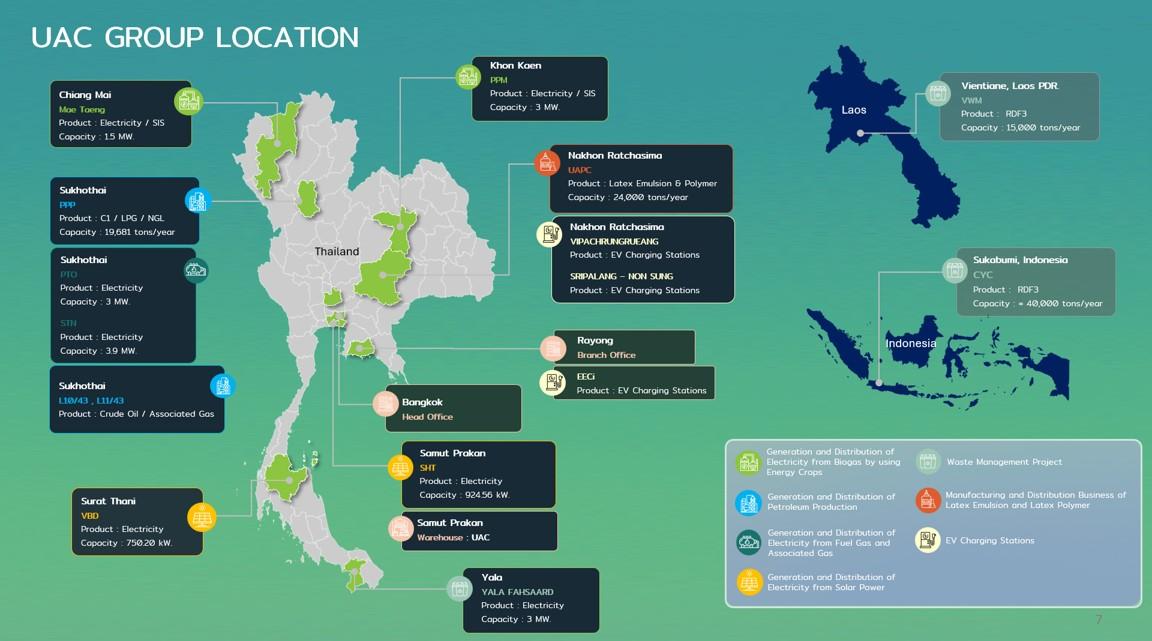
| 2. Investment in Renewable and Alternative Energy Projects | 2.1 Petroleum Production Plant : PPP The Company invested in the Petroleum Production Plant (PPP) in Sukhothai Province, which engages in natural gas separation plant, by using residue gas (associated gas) which is by-product from oil drilling from Burapa-A production platform of UAC Utilities Co., Ltd. and Sao Thian-A production platform of PTT Exploration and Production Public Co., Ltd. (which is not the connected person of the Company) that obtain the petroleum concession in Burapa source, Kongkrailat District, Sukhothai Province from the Ministry of Energy to transform into various petroleum products which can be used as fuels, such as:
This plant has capacity to receive raw material about 1.8 million cubic feet per day and its designed production capacity is approximately 19,681 tons per year, comprising Fuel Gas (C1) for 12,036 tons per year, LPG for 6,300 tons per year and NGL for 1,345 tons per year. In 2025, overall performance of PPP was better than 2024 because the amount of associated gas, the main feedstock, has been increasingly supplied from BUR-A oil field. However, plant reliability was still lower than the specified target due to the gas pressure booster breakdown. Characteristics of Product or Service Petroleum Production Plant (PPP) engages in gas separation plant business by using associated gas, a by-product from crude oil production, to transform and separate into various petroleum products as follows:
Liquefied Petroleum Gas is a hydrocarbon compound which has Propane (C3) and Butane (C4) as their main components. It has more density than air (heavier than air) with odorant. Its quality has been controlled pursuant to the “Notification of the Department of Energy Business Re: Prescribing characteristics and quality of liquefied petroleum gas, B.E. 2559”. It has been stored in the form of liquid under pressure within steel container. LPG has a wide variety of uses, such as fuel for cooking in household, fuel for industrial sector or alternative fuel for some groups of vehicles.
Natural Gasoline Liquids (NGL) is a hydrocarbon component which is heavier than LPG (C5+). It has liquefied, clear, odorless properties with high inflammable. NGL can be used as feedstock or substrate in solvent industry or paint industry.
Fuel Gas (C1) is a hydrocarbon compound which has Methane (C1) as its main component. This gas has less density than air (lighter than air) and it is odorless. Fuel Gas C1 has been supplied as fuel to Sao Thien A power plant of UAC Energy Co., Ltd. for power generation from the Gas Engine Generator and some gas has been used as fuel within the plant. When C1 has increased pressure, it can also be used to produce compressed gas for vehicles. At present, the Company has already stopped CNG (Compressed Natural Gas) production. Project Site
Project site is located at No. 1/1, Moo 8, Baan Boplao, Tumbol Kokrat, Amphur Kongkrailat, Sukhothai Province Pricing Policy
Selling price of Liquefied Petroleum Gas (LPG) is pursuant to the LPG price structure announced by the Energy Policy and Planning Office (EPPO) which includes excise tax and local government tax plus transportation cost pursuant to floating LPG price policy to promote competition. The Company also remits funds into the oil fund and requests for reimbursement at the rates announced by the Notification of the Fuel Fund Executive Committee. LPG price structure has referred to main factors, such as global LPG price (LPG Cargo), import expenses etc. The Company also entered into LPG purchase and sales agreement with all customers.
Selling price of Natural Gasoline Liquids (NGL) is pursuant to the pricing formula jointly determined between UAC Global Public Co., Ltd., and the Purchaser, who is the fuel trader pursuant to Section 7 of Fuel Trade Act B.E. 2543 (2000) by referring to the main factors, such as prices of Naphtha in Singapore Market (MOPS or Mean of Platts Singapore) and exchange rate of US Dollar.
Selling price of Fuel Gas (C1) is pursuant to the price mutually agreed in the purchase and sales agreement between UAC Global Public Co., Ltd. and UAC Energy Co., Ltd. Supply and Distribution Channel The Company sells LPG to the fuel trader pursuant to Section 7 of Fuel Trade Act B.E. 2543 (2000) and sells NGL to the domestic solvent operators. LPG and NGL shall be transported via petrol tanker. Fuel Gas (C1) has been sold to be used as fuel to Sao Thian-A power plant of UAC Energy Co., Ltd. via a 3-inch natural gas pipeline which has distance of 7 kilometers. Procurement of Products or Services Production process Manufacturing technology used by PPP is Refrigerant Process or Dew Point Control Unit (DCPU) to control quality of natural gas. This technology is generally used by gas separation plants as it is suitable for small gas sources. Main principle of this gas production process is to increase pressure through dehumidifier and reduce temperature of natural gas until gas is condensed into liquid. After that, liquefied gas will be sent to the refinery tower to distill into petroleum products, i.e. Fuel Gas (C1), LPG and NGL, respectively.
Feedstock and Feedstock Supplier The Company procured feedstock used in the Petroleum Production Plant (PPP) as follows:
Material information of the Associated Gas Purchase and Sale Agreement with UAC Utilities Co., Ltd.
Material information of the Associated Gas Purchase and Sales Agreement with PTT Exploration and Production Public Co., Ltd.
Supporting Materials for Production Process
Environmental Impacts The production of petroleum products from the plant in Kongkrailat District, Sukhothai Province uses and maximizes benefit of residue gas from oil drilling at Burapa-A Platform of UAC Utilities Co., Ltd. and Sao Thian-A Platform of PTT Exploration and Production Public Co., Ltd. Therefore, it can help reduce pollution and waste because such residue gas does not have to be disposed by flaring as flame from flare can cause air pollution and environmental problems to the nearby communities and usage of such associated gas can also reduce heavy metal compound of crude oil manufacturers. In addition, the Company has arranged the public hearing session with the villagers and the stakeholders of the project to assess social and environmental impacts as well as prepared the environmental impact assessment (EIA) report to propose to the Office of Natural Resources and Environmental Policy and Planning (ONEP). Such EIA report has been approved on February 28, 2013. In addition, the environmental report (ER) has also been prepared to propose to the Environmental Report Consideration Committee, Energy Business Department. Such report has been approved by the Director-General of Energy Business Department on January 18, 2016. In 2017, the Petroleum Production Plant has been certified for ISO9001: Quality Management System, ISO 14001: Environmental Management System and OHSAS 18001: Occupational Health and Safety Management (ISO45001) from the Management System Certification Institute (Thailand) (MASCI). In addition, on September 5, 2019, PPP also received Green Industrial Level 4 for 2019 from the Ministry of Industry, which can reinforce image and good attitude towards the environmentally friendly factor and lead to mutual acceptance between the industries and the surrounding communities, as well as to help reduce business operation costs. "In 2025, PPP could reduce CO2 emission from flaring of associated gas totaled 29,608.66 tons/year, or equivalent to planting 10-year tree for 489,582 trees to absorb 29,608.66 tons of CO2 emission." Industrial Trend and Competition Tendency of performance and growth of the Petroleum Production Plant (PPP) in Kongkrailat District, Sukhothai Province depends on number of raw materials received from 2 crude oil producers, i.e. UAC Utilities Co., Ltd. and PTT Exploration and Production Public Co., Ltd., including crude oil prices and petroleum prices situation in the global markets as they have direct impact to selling prices of the plant’s products. Nonetheless, the competitive condition of the plant in the same industry is rather low, because PPP is a small gas separator plant with a small total production capacity. It is supplement of energy requirement in transportation and industrial sectors in the lower northern areas which still have continual demand. 2.2 Generation and Distribution of Electricity from Solar Power UAC Energy Co., Ltd. (UAC Energy) and Solar Energy Roof Power Co., Ltd. (SERP), the Company’s subsidiaries, invested in 2 Solar PV Rooftop construction projects of Metropolitan Electricity Authority and Provincial Electricity Authority with total generating capacity of 2 MW. Commercial operation date (COD) of 2 projects had already commenced. Characteristics of Products or Services It generates and supplies electricity from renewable energy in form of solar PV rooftop for Saha Thai Steel Pipe Public Co., Ltd. (SHT), Samut Prakarn Province and Von Bundit Co., Ltd. (VBD), Surat Thani Province by leasing areas on rooftops with lease contracts as per details in Attachment 6: Assets for Business Operations.
Project Site : Saha Thai Steel Pipe Public Co., Ltd. (SHT), Samut Prakarn Province, invested by UAC Energy
Project Site: Von Bundit Co., Ltd. (VBD), Surat Thani Province, invested by SERP Characteristic of Customer and Target Customers Direct customers of the Company for distribution of electrical energy are Metropolitan Electricity Authority (MEA) and Provincial Electricity Authority (PEA). 1. Power Purchase Agreement with Metropolitan Electricity Authority Power purchase agreement from very small power producers (for electricity generated from renewable energy) of UAC Energy Co., Ltd. Party to Contract : Metropolitan Electricity Authority No. of Agreement : 1Agreement Details of the Power Purchase Agreement
Details of agreement : Metropolitan Electricity Authority and UAC Energy agree to enter into 3 power purchase agreements at voltage of 24 kilovolt, as per Regulations for the Purchase of Power from Very Small Power Producers (for Electricity Generated from Renewable Energy) at the purchase point as per detailed above. Purchase and sales condition : Power producer shall sell electricity to the Power Utility within the date specified in the Agreement (scheduled commercial operation date to supply electricity to the Metropolitan Electricity Authority). Contract Term : Contract term is 25 years from the Commercial Operation Date, and it will be expired on December 31, 2038. Contract Termination :
2. Power Purchase Agreement with Provincial Electricity Authority Power purchase agreement from very small power producers (for electricity generated from renewable energy) of Solar Energy Roof Power Co., Ltd. Party to Contract : Provincial Electricity Authority No. of Agreement : 1Agreement Details of the Power Purchase Agreement
Details of agreement : Provincial Electricity Authority and Solar Energy Roof Power Co., Ltd. agree to enter into 1 power purchase agreement at voltage of 33,000 volt, as per Regulations for the Purchase of Power from Very Small Power Producers (for Electricity Generated from Renewable Energy) at the purchase point as per detailed above. Purchase and sales condition : Power producer shall sell electricity to the Power Utility within the date specified in the Agreement (scheduled commercial operation date to supply electricity to the Provincial Electricity Authority). Contract Term : Contract term is 25 years from the Commercial Operation Date, and it will be expired on December 31, 2038. Contract Termination :
2. If any party fails to comply with any provision in the Agreement, the other party shall send a notice request such party to rectify and it such defaulting party fails to rectify thereof, the other party is entitled to terminate the Agreement. Pricing Policy Pricing policy of electricity shall be as per specified by Metropolitan Electricity Authority or Provincial Electricity Authority which shall be Feed in Tariff (FIT) throughout the contract term of 25 years. Technology Used Solar panels shall convert sunlight into direct current (DC) then it will be transmitted to combiner box, where it will be collected and delivered to the inverter, then direct current will be converted to alternating current (AC). Afterward the transformer will be used to increase pressure, so that it can be supplied to the government’s power utilities. Solar Cell Insurance The Company has managed to reduce business risks, apart from carrying out the scheduled operation & maintenance in each cycle every year, is to affect industrial all risks insurance policy for solar cells. Such insurance policy shall provide coverage from the loss or damage caused by natural disaster, burglary, accident to machinery, loss of profit from business operation as well as provides coverage for business operations which may impact to the third party that may cause damage to the Company. Environmental Impact Solar PV rooftops do not cause any environmental impact. Industrial Trend and Competition The entrepreneur who is granted license to generate and supply electricity from various types of renewable energy shall supply to the government agencies pursuant to prices and conditions obtained from application submission for license. Therefore, this business does not have direct competition with other entrepreneurs. 2.3 Power Generation from Fuel Gas and Associated Gas UAC Energy Co., Ltd. (the Subsidiary) acquired 2 power plants, Sao Thian-A power plant and Pra Du Thao power plant, from Ratchburi Energy Co., Ltd., and business transfer of such 2 power plants have been completed on April 1, 2016. UAC Energy Co., Ltd. can recognize revenue from electricity supply immediately from the business transfer date, so it can generate long-term revenues for the Company. 2.3.1 Sao Thian-A Power Plant This power plant has the generating capacity of 3.9 MW and its uses fuel gas, by-product from gas separation process of Petroleum Production Plant (PPP) and associated gas of Sao Thian-A crude oil production well of PTT Exploration and Production Public Co., Ltd, which has been granted concession from Energy Ministry in Sao Thian-A Source, Kongkrailat District, Sukhothai Province, as its fuel to produce electricity. Such electricity will be supplied to the distribution and transmission system of Provincial Electricity Authority. In 2025, the generating capacity was higher than 2024 because the amount of fuel gas (feedstock) has increased. 2.3.2 Pra Du Thao-A Power Plant This power plant has a generating capacity of 3.0 MW and it uses associated gas, by-product from Pra Du Thao-A crude oil production well of PTT Exploration and Production Public Co., Ltd, which has been granted concession from Energy Ministry in Pra Du Thao-A Source, Kongkrailat District, Sukhothai Province, as its fuel to produce electricity. Such electricity is supplied to distribution and transmission system of Electricity Generating Authority of Thailand (EGAT) and Provincial Electricity Authority (PEA). In 2025, the generating capacity was lower than 2024 because the amount of fuel gas (feedstock) has decreased and the plant reliability was lower than the specified target. Characteristics of Product or Service Products of Sao Thian-A power plant and Pra Du Thao-A power plant are electricity. Sao Thian-A power plant supplies electricity to transmission and distribution system of the Provincial Electricity Authority (PEA), while Pra Du Thao-A power plant supplies electricity to the Electricity Generating Authority of Thailand (EGAT) and the Provincial Electricity Authority (PEA). Power Plant Site
Location of Sao Thian-A power plant is No. 143 Moo 11, Nongsaothiantai Village, Krainai Sub-district, Kongkrailat District, Sukhothai Province
Location of Pra Du Thao-A power plant is No. 32, Moo 11, Tummaigrai Village, Kongkrailat District, Sukhothai Province Pricing Policy Pricing policy of electricity will be as per Regulation on Power Purchase from Small Power Producers which has been jointly specified in Non-Firm Power Purchase Agreement between the Company and the Purchaser, which are Electricity Generating Authority of Thailand (EGAT) and Provincial Electricity Authority (PEA). Supply and Distribution Channel The Company sells all its generated electricity through transformer and into transmission system of Electricity Generating Authority of Thailand (EGAT) and Provincial Electricity Authority (PEA) where determination of purchase price is as per Regulation on Power Purchase from the Very Small Power Producers (VSPP). Procurement of Product or Service Production The Company’s Sao Thian-A power plant and Pra Du Thao-A power plant used gas turbine generators, 4 stroke turbo charger motor with complete combustion. Thermal energy obtained from fuel combustion shall be changed into mechanical energy to drive gas turbine shaft, then mechanical energy will be transformed into electrical energy. After that voltage of generated power will be increased via transformer from 400 volt to 22 kilovolts, then it will be supplied to transmission system of the Power Utility. This technology is generally used by the power plant, and it is appropriated with the power plant which has a small source of gas.
Diagram of overview production process of Sao Thian-A power plant
Diagram of overview production process of Pra Du Thao-A power plant Feedstock Procurement of Feedstock to be used in Sao Thian-A Power Plant Fuel gas is main feedstock for power generation process which has been purchased from UAC Global Public Co. Ltd.’s Petroleum Production Plant (PPP), located in Kongkrailat District, Sukhothai Province. Such fuel gas has been supplied via 3 inches natural gas pipe and distance from PPP to Sao Thian-A power plant is approximately 7 kilometers. UAC Energy Co., Ltd. has entered into a Fuel Gas Supply Agreement with UAC Global Public Co., Ltd. Material information of Fuel Gas Supply Agreement with UAC Global Public Co., Ltd.
Associated gas is by-product of petroleum production process of Sao Thian-A Platform of PTT Exploration and Production Public Co., Ltd. which obtained petroleum concession for Sao Thian-A Source, Kongkrailat District, Sukhothai Province from the Ministry of Energy. UAC Energy Co., Ltd. has entered into Associated Gas Supply Agreement with UAC Global Public Co., Ltd. Sao Thian-A power plant shall use associated gas in case Sao Thian-A Platform has increased a large volume of production capacity that the Petroleum Production Plant (PPP) cannot take or in case the Petroleum Production Plant (PPP) cannot supply fuel gas, such as during annual maintenance period. Material information of Associated Gas Supply Agreement with UAC Global Public Co., Ltd.
Procurement of Feedstock to be used in Pra Du Thao-A Power Plant Associated gas is the main feedstock for the power generation process of Pra Du Thao-A power plant. Associated gas is by-product of petroleum production process of Pra Du Thao-A Platform of PTT Exploration and Production Public Co., Ltd. which obtained petroleum concession from Pra Du Thao-A Source, Kongkrailat District, Sukhothai Province from the Ministry of Energy. UAC Energy Co., Ltd. has entered into the Associated Gas Supply Agreement with UAC Global Public Co. Ltd. Material information of Associated Gas Supply Agreement with UAC Global Public Co., Ltd.
Environmental Impact The Company’s power plants in Kongkrailat District, Sukhothai Province use fuel gas as main feedstock. Such fuel gas is regarded as clean energy because it has high efficiency with complete combustion, and low pollution so it can reduce greenhouse gas effect which is the cause of global warming problems. In addition, usage of associated gas obtained from petroleum production of Sao Thian-A Source and Pra Du Thao-A Source of PTT Petroleum and Production Public Co., Ltd. as fuel can reduce air and noise pollution problems caused by flaring associated gas into the atmosphere, as well as reduce impact to nearby communities and environment. " In 2025, these 3 power plants could reduce CO2 emission from flaring of associated gas totaled 14,930 tons/year, or equivalent to planting of 10-year tree for 246,870 trees to absorb 14,930 tons of CO2 emission. " Industrial Trend and Competition Variable factors that directly impact performance of 2 power plants are amount of feedstock, which is fuel gas received from the manufacturer, and fuel adjustment charge (Ft). During 2025, Ft decreased, but the amount of feedstock supplied from the Petroleum Power Plant (PPP) still increased but the plant reliability was lower than the plan. Consequently, generating capacity and revenue were lower than the plan. However, if the feedstock situations are better and there is adequate amount to run both power plants, they can generate power and revenue continually. Competitive condition of the power plants in the same industry is rather low because Sao Thian-A power plant uses fuel gas and associated gas which is by-product of petroleum production process as fuel for power generation and supply to the Provincial Electricity Authority (PEA). While Pra Du Thao-A power plant which is the first power plant in Kongkrailat District, Sukhothai Province that uses associated gas, by-product of petroleum production process, as fuel for power generation and supply to the Electricity Generation Authority of Thailand (EGAT) and the Provincial Electricity Authority (PEA). When comparing generating capacity, it was found that the total generating capacity of the Company is much lower than other companies’ power plants located nearby which are also engaged in the power generation business. However, there is competition from other industries, such as the renewable energy industry, i.e., solar energy. Presently, many private companies pay much attention and invest in power generation from solar cells because it is renewable, clean energy and will not cause noise or air pollution and it also uses low investment costs. There are other sources of alternative energy, such as wind, hydro and biofuel energy, etc. Such alternative energy has been supported by the government agencies because they can be used to replace fossil energy, such as coal, crude oil, natural gas etc. Alternative energy is regarded as clean energy, as it will not cause pollution and is environmentally friendly. Consequently, in the future, competition in the alternative energy industry has tendency to grow continually. 2.4 Electricity Generation from Biogas by using Energy Crops The Company invested in 2 biogas power plants which used energy crops as main raw material, for instance, a 1.5 MW Mae Tang Biogas Power Plant of which its commercial operation date has commenced in December 2015 and a 1.5 MW Phuphaman Power Plant, the Community Power Plant for the Local Economy Project (Pilot Project) invested by UAC & TPT, of which its commercial operation date has commenced in March 2024, and it is currently in the process of commissioning test to prepare readiness for supply of electricity for additional electricity of 1.5 KW. At present, the electricity selling permit has already been obtained from Provincial Electricity Authority (PEA) and it is expected that it can supply electricity within the first quarter of 2025. 2.4.1 Mae Tang Biogas Power Plant Mae Tang biogas power plant is located in Mae Tang District, Chiangmai Province on the leased land close to pig farm of Mongkol and Sons Co., Ltd. (which is not the Company’s connected person). It has an area of approximately 15 rai and generates electricity from biogas which is obtained from fertilization of energy crops. Its maximum capacity has been designed to produce 1.5 MW. Taw Tang biogas power plant has been certified on ISO 9001:2015 Quality Management Systems from SGS (Thailand) Co., Ltd. in December 2016 and received the outstanding renewable energy award from Thailand Energy Award 2019 under category of On-Grid System Project from the Ministry of Energy. Characteristic of Product or Service Maximum electrical energy sold is 1.0 MWp at voltage of 22,000 volts and frequency of 50 Hz, which has been obtained from fertilization of energy crops until it has methane gas at approximately 50-55%, then supplied to the biogas generator. Project Site
Project Site: Mae Tang District, Chiang Mai Province Characteristics of Customer and Target Customer The Company’s one and only direct customer that the Company supplies electric energy to is Provincial Electricity Authority (PEA) because the Company’s biogas power plant from energy crops is the project which has been initiated with cooperation of the government sector by the Energy Policy and Planning Office (EPPO), Ministry of Energy pursuant to “Promotion of Biogas Technology for Industrial Plants” project to promote the use of energy crops then transformed into biogas to be used as an alternative heat and power source. Pricing Policy Pricing policy of electricity shall be as per Notification of the Energy Regulatory Commission Re: Purchase of electricity from renewable energy (excluding solar energy) at “FiT” or “Feed in Tariff” for the Very Small Power Producer (VSPP) from Renewable Energy Program with the contract term of 20 years. Material Information of the Power Purchase Agreement
Procurement of Product or Service Production This power plant, which uses biogas as fuel, applies the Continuously Stirred Tank Reactor (CSTR) technology of Italy to increase biogas output production, so that it can be used as fuel for power generation. Raw material used during start-up process is pig increment and main raw material for power generation is energy crops. The machinery in the production process will run automatically and continuously to digest organic waste to be biogas before entering into biogas quality improvement system and then to power production process. The power generated will be supplied to the Provincial Electricity Authority (PEA) and for its own usage in the plant.
Firstly, energy crops will be loaded into the Continuously Stirred Tank Reactor (CSTR) for digestion process into biogas. After that such biogas will be dehumidified, increased pressure, and fed into power generation system to supply electricity to the Provincial Electricity Authority. Slurry of used bio-fermented water will be extracted and sludge will be produced as soil amendment material and sold to the farmers. Some extracted water will be reused in the system to maintain the condition and the rest will be used for planting Napier Grass, corn and rice fields before sowing including other agricultural crops to reduce the farmers’ consumption of chemical fertilizers Raw Material Main raw material for production of biogas which will be used as fuel for power generation is Napier grass derived from Green Grass Development Co., Ltd., the major Napier grass grower, and supplier, located closed to the Company’s plant. This company also purchases Napier grass from the neighboring farmers who are crofters to supply to the Company. Therefore, raw material procurement and transportation is quite easy and convenient. Presently, Green Grass Development Co., Ltd. has areas of approximately 1,000 rais for planting Napier glass, so it can supply adequate Napier grass for power production of the Company throughout the year. In addition, after the corn harvesting season or when the corn has been sold to the market, the farmers will sell corn stalks to the Company’s plant to be used as an alternative raw material. Therefore, it can benefit many parties, for instance it can make farmers have additional income, it can reduce pollution caused by stalk burning which led to smog and PM10 and PM2.5 problems in the North and it can make the power plant has additional raw material for power generation all year long. Quality Improvement of By Product from Production Process There were approximately 500-600 tons per months of by products from electricity generation process from energy crops after the separator. These products can be used as soil improvement and mixture with soil for planting to increase microorganism and plant nutrient, N P K, in the soil. They can condition the decaying land from agricultural harvest, solve acid soil problem and it can be used as substrate for manufacturing of organic fertilizer. The plant implemented the project to improve quality of soil improvement materials where formula and ingredients used as substrate have been invented for producing organic fertilizer for earthworm to further produce earthworm castings organic fertilizer and new machines have been provided to increase amount and quality and to develop products for better results. The plant has cooperated with the communities and distributed the plant’s by-products from production process to the farmers living nearby the plant continually for more than 3 years. Thus, it can make the farmers have more income, reduce expenses, healthy and safely that they have been accepted by the farmers who used this product. Initiation for Manufacturing as Packaging After by-product from production process have been accepted in the market, the Company began to manufacture in packaging form, improve fermentation formula, and launch as 1-kilogram-ready for usage bag for more convenience, easier usage, and transportation and later a 20-kilogram package has been launched in the market for usage in general agricultural purpose. The plant is now studying the palletization process to maintain quality of soil improvement and for longer storage. This product can also add value and develop into new products of Mae Tang Plant. Environmental Impact Power generation from biogas fuel by using energy crops as main raw material at Mae Tang Plant in Mae Tang District, Chiangmai Province can reduce air pollution problem and reduce corn stalk burning which is one of the causes of smog problems. " In 2025, this plant purchased 13,110 tons of corn stalk to be used as raw material, so it could reduce CO2 emission from corn stalk burning for more than 5,449 tons/year." Therefore, it can be regarded as this biogas power plant can help reduce pollution from the communities. This plant is a small power plant and is under an energy conservation project that does not cause impact to the environment and the nearby communities, so it does not require to prepare the Environmental Impact Assessment (EIA) report. The plant employed a third-party agency to prepare the Code of Practices (COD) report and measure the quality of the environment. Its results have been monitored every year to enhance confidence in safety among the employees and the surrounding communities. Industrial Trend and Competition This Biogas Technology Promotion Program for Industrial Plant is the program supported by the government and there are power purchase agreements with exact firm FiT (Feed in Tariff) rate for 20 years, so there is not competition regarding the production. In addition, this biogas power plant is classified as a very small power producer (VSPP), so the power output is very small when compare with power consumption of Thailand. 2.4.2 Power Plant : Community Power Plant for the Local Economy Project (Pilot Project) Phuphaman power plant, which is the Community Power Plant for the Local Economy Project (Pilot Project) invested by UAC & TPT Energy Co., Ltd., located in Phuphaman District, Khon Kaen Province sent an application to offer to sell electricity under the Community Power Plant for the Local Economy Project (Pilot Project) to the Provincial Electricity Authority, and it has been selected to participate in the Community Power Plant for the Local Economy Project on September 23, 2021. Characteristics of Product or Service Maximum electrical energy supplied is 3.0 MW at voltage of 22,000 volts and frequency of 50 Hz, which has been obtained from fertilization of energy crops until it has methane gas at approximately 50-55%, then supplied to the biogas generator. Progress of the Project The commercial operation date (COD) of Phuphaman Community Power Plant for the Local Economy Project (Pilot Project) commenced on February 27, 2027 with generating capacity of 1.5 MW and it is expected that the commercial operation date of additional electricity of 1.5 KW can be commenced within the first quarter of 2026, which can sum up to total generating capacity of 3 MW. Project Site Phuphaman biogas power plant using energy crops as fuel is located at Phuphaman District, Khon Kaen Province on the lease land closed to Thepprathanporn Stone Mill (a shareholder of UAC & TPT Energy Co., Ltd.) in areas of approximately 43 rai.
Project Site: Phuphaman District, Khon Kaen Province Characteristics of Customer and Target Customer The Company’s direct and only customer is Provincial Electricity Authority because of the notification of the Energy Regulation Commission (ERC) Re: Invitation to purchase electricity from very small power producers (VSPPs), the Community Power Plant for the Local Economy Project (Pilot Project) B.E. 2564 (2021). Purchase of electricity shall be as per the resolution of the National Energy Policy Council (NEPC) during the meeting no. 2/2019 (No. 149) on December 16, 2019 and during the meeting no. 2/2020 (No. 151) on November 16, 2020 including pursuant to the regulations of the Energy Regulation Commission (ERC) Re: Procurement of electricity from very small power producers (VSPPs), the Community Power Plant for the Local Economy Project (Pilot Project) B.E. 2564 (2021). Objectives of this project are to improve the grassroots economy, to make the energy crops farmers have solid income from fuel purchase and sale as contract farming and to enjoy mutual benefits and returns from the power plant as well as to make the power plant take part in supporting the community development and social welfare of the communities surrounding the power plant site. Pricing Policy Pricing policy of electricity shall be as per regulation of the Energy Regulatory Commission (ERC) Re: Procurement of electricity from very small power producers (VSPPs), the Community Power Plant for the Local Economy Project (Pilot Project) B.E. 2564 (2021), which specified tariff pursuant to resolution of ERC No. 2/2019 (No. 149) on December 16, 2019 as “FiT” or “Feed in Tariff” scheme pursuant to installed capacity of generator and type of fuel with the contract term of 20 years. Material Information of the Power Purchase Agreement
Procurement of Product or Service Production This power plant, which uses biogas as fuel, applies the Continuously Stirred Tank Reactor (CSTR) technology of Italy to increase biogas output production, so that it can be used as fuel for power generation. Raw material used during the start-up process is pig increment and main raw material for power generation is energy crops. The machinery in the production process will run automatically and continuously to digest organic waste to be biogas before entering into biogas quality improvement system and then to power production process. The power generated will be supplied to the Provincial Electricity Authority (PEA) and for its own usage in the plant.
Firstly, energy crops will be loaded into the Continuously Stirred Tank Reactor (CSTR) for digestion process into biogas. After that such biogas will be dehumidified, increased pressure, and fed into power generation system to supply electricity to the Provincial Electricity Authority. Slurry of used bio-fermented water will be extracted, and sludge will be produced as soil amendment material and sold to the farmers. Some extracted water will be reused in the system to maintain the condition and the rest will be used for planting Napier Grass, corn and rice fields before sowing including other agricultural crops to reduce the farmers’ consumption of chemical fertilizers. Raw Material Main raw material for production of biogas which will be used as fuel for power generation derived from Phupha Man Energy Plant Community Enterprise Co., Ltd. with a contract to purchase energy plant (contract farming) for a period of 20 years equal to a contract term of the power purchase agreement with the Provincial Electricity Authority. Presently, Phupha Man Energy Plant Community Enterprise Co., Ltd. has areas of approximately 300 rai for planting Napier glass, and the planting areas will be increasing, so it can manage to supply adequate Napier grass for power production of the Company throughout the year. In addition, the power plant procured additional Napier grass from other small farmer groups located nearby to ensure that the plant will have adequate raw materials for power production all year long. Industrial Trend and Competition As the Community Power Plant for the Local Economy Project (Pilot Project) is a project pursuant to resolution of the National Energy Policy Council (NEPC) and there are power purchase agreements with exact firm FiT (Feed in Tariff) rate for 20 years, so it does not have any competition regarding the production. In addition, as this power plant is classified as a very small power plant (VSPP), so the power output is very small when compared with power consumption in Thailand. Environmental Impact Electricity generation from biogas fuel by using energy crops at Phuphaman District, Khon Kaen Province use energy crops as main raw material, which is obtained from fertilization of energy crops, so it can help reduce air pollution, and corn stalk burning which cause pollution from smog including CO2 Emission. Therefore, it can be regarded as this biogas power plant can help reduce pollution from the communities. This plant is a small power plant and is under an energy conservation project that does not cause impact to the environment and the nearby communities, so it does not require to prepare the Environmental Impact Assessment (EIA) report. However, in order to apply for the electricity industry license, the project must prepare the Code of Practice (CoP) report pursuant to regulation of the Energy Regulatory Commission on Measures for the prevention, remedy, and monitoring of environmental impact for electricity generation operators using biogas as fuel for power generation. In addition, public hearing session must be arranged pursuant to regulation of the Energy Regulatory Commission on Public Hearings and Creation of Understanding with the Public and the Stakeholders to build confidence on safety to the employees and the communities. 2.5 Investment in Waste Management Project 2.5.1 Vientiane Waste Management Project, Lao PDR The Company has invested in waste management project in Vientiane, Lao PDR under Vientiane Waste Management Co., Ltd. or VWM, which is a joint venture of 3 companies, namely, UAC Energy Co., Ltd., M8 Holding Limited, and Kwan Muang Group Co., Ltd. VWM has entered into a concession agreement to produce renewable energy from solid waste to sell to the Vientiane Administration Organization, Lao PDR led by the Department of Planning and Investment of Vientiane Capital. Waste Sorting Plant Vientiane Waste Management Project, Lao PDR is a project to transform solid waste into renewable energy and recycled products, by transforming RDF (Refuse Derived Fuel) from RDF Type 1 to RDF Type 3, with maximum production capacity of 10 tons per hour. Waste used for the transformation process will come from 2 sources: waste from existing ponds and newly collected waste. RDF3 will be sent to Khammouane Cement Plant (KCL).
Power Plant from Waste Power plant from solid waste (waste to energy) is the plant which uses solid wastes digested into RDF Type 3 as fuel to generate power energy with installed capacity of 6 MW, where 5 MW will be supplied to Electricite du Laos (EDL), and 1 MW will be for internal use within the plant. Total generating capacity per year is approximately 39.96 million units, and Tariff MOU has already been signed with EDL. At present, it is under the process of requesting for a permit to be the power producer and distributor (CA) and it is pending for execution in the power purchase agreement (PPA) with Electricite du Laos (EDL).
Nature of Product or Service Products produced by Vientiane Waste Management Project in Lao PDR can be divided into 3 types as follows:
Project Site
Project Site: Baan Na Phasook (Milestone 32) Xaythany, Vientiane, Lao PDR Material Information of the Concession Agreement
Characteristics of Customer and Target Customer Presently, the recycled products have been sold to 2 retail purchasers in front of the plant site. In the future, it is expected that there will be 2 additional customers, as follows:
Pricing Policy Purchase price of RDF Type 3 Pricing of RDF Type 3 will be pursuant to RDF Type 3 purchase and sell agreement and purchase price will be based on heating value of RDF3 of each submission. Material Information of the Memorandum on Power Purchase Agreement
Industrial Trend and Competition Vientiane Waste Management Project is a project which has been granted concession from the government sector and it is the first of its kind in Lao PDR, so it does not have any competition with regards to production and distribution. Environmental Impact Vientiane Waste Management Project has waste separating process to separate and transform waste into renewable energy and fuel energy to replace usage of coals. They are products that can be recycled and reused, so it will not have any environmental impact. 2.5.2 Sukabumi Waste Management Project, Indonesia The Company has expanded the investment in the community waste management business to Indonesia which has been operated by PT CAHAYA YASA CIPTA (CYC), a joint venture between UAC Energy Company Limited at a ratio of 60%, PT Terang Hindup Energy, a local partner at a ratio of 20%, and SCIeco Services Company Limited at a ratio of 10%. CYC is a registered company in Indonesia to engage in business of production and distribution of refuse derived fuel (RDF) to be used as substitute fuel (e.g. coal) to PT Semen Jawa (a company in the group of Siam Cement Group or SCG), a cement manufacture in Indonesia. At present, the Company has already executed the RDF production and distribution agreement on August 11, 2023. RDF production project is a plant to transform community waste into RDF3 with maximum generating capacity of 15 tons/hour. Community waste to be entered into production process comprised of 2 parts, such as, newly collected waste at 200 tons/day and landfilled waste at approximately 500,000 tons. Progress of the Project The opening ceremony of RDF3 Plant has been arranged on July 31, 2025, where the Minister of Environment of Indonesia honorarily presided over the ceremony jointly with the Ambassador of Thailand to Indonesia. Its commercial operation date has commenced since August 1, 2025
Nature of Product or Service The product of the project is RDF3 which has a size less than 50 mm with heating value of approximately 4,500 kCal/kg. It can be used to replace coal in the cement industry and other industries using heat. Project Site
Project Site: Sukabumi City, West Java Province, which is about 130 km. far from Jakarta Material Information of the Production and Distribution Agreement
Pricing Policy Pricing of RDF3 is based on heating value and selling price will adjust every 3 years pursuant to GDP and minimum wage rate of Indonesia. During the initial phase, the Company agreed that the selling amount of RDF is approximately 40,000 tons/year. Characteristics of Customer and Target Customer RDF production project will distribute RDF3 to PT Semen Jawa, a cement manufacturer which engages in business of production and distribution of cement in Indonesia. It is in Sukabumi City, about 15 km. far from the RDF production project. Industrial Trend and Competition RDF production plant is considered as a new business in Indonesia, and it has potential to expand to other areas as it can help to dispose wastes by transforming them into renewable energy to replace coal. Hence, it has been supported by the public sector and has quite a lot of growth potential. Concession on landfilled waste has been granted to this project from the public sector, so it does not have competition with regards to production and distribution. PT Cahaya Yasa Cipta’s project is regarded as the prototype project of Indonesia in managing waste into RDF fuel and it has gained attention from both public and private sectors. Environmental Impact RDF project can increase efficiency of community waste management. Areas used for operation are less than the areas used for waste management by conventional method. Building plants have been designed as a closed system to minimize impacts on smell and noise and operations will be arranged to be on daytime as much as possible to minimize impact to the communities. | ||||||||||||||||||||||||||||||||||||||||||||||||||||||||||||||||||||||||||||||||||||||||||||||||||||||||||||||||||||||||||
| 3. Petroleum Exploration and Production Business | Onshore exploration blocks no. L10/43 and L11/43 UAC Utilities Company Limited (UACU) has been awarded the petroleum concession no. 1/2547/67 on March 4, 2023 for onshore exploration block no. L10/43 and L11/43 in Sukhothai Province and the concession will expire in 2033. Currently, onshore exploration block no. L10/43 has total production areas of 77.66 sq. km. while onshore exploration block no. L11/43 has total production areas of 47.42 sq.km. These blocks contain 3 oil fields as follows: Onshore L10/43 Block has 2 oil fields, Arunothai-B (ART-B) and Arunothai-C (ART-C) Oil Fields. The Company has already installed and completed the commissioning test of machine and equipment of these 2 oil fields and petroleum production has been commenced on May 7, 2023 and April 5, 2023, respectively. Onshore L11/43 Block has 1 oil field, Burapa-A Oil Field (BUR-A): The Company has installed and completed the commissioning test of machine and equipment, and petroleum production has been commenced on October 11, 2022. Characteristics of Product or Service Crude Oil It is black or dark brown liquid petroleum with a smell like gasoline. Its main component is hydrocarbon. After refining, it can also be used to create products like cooking oil, kerosene, gasoline, diesel fuel, fuel oil, asphalt etc. The Company supplies crude oil to the refinery. Associated Gas It is gaseous petroleum and is primarily composed of hydrocarbons with small amounts of nitrogen and carbon dioxide. Associated gas can be used as fuel and feedstock in petrochemical industry as well as fuel in various industries. The Company supplies associated gas produced to the Petroleum Production Plant (PPP), and some of it is used as fuel in its internal production process. Project Sites
Project Site of Burapa A (BUR-A) Oil Field: No. 1, Moo. 8, Bophao Village, Kokrat Sub-district, Kongkrailat District, Sukhothai Province
Project Site of Arunothai-B (ART-B) Oil Field: Moo. 5, Klong Dan Village, Baansuan Sub-district, Muaeng Sukhothai District, Sukhothai Province.
Project Site of Arunothai-C (ART-C) Oil Field: Moo. 10, Nong Pailom Village, Krainai Sub-district, Kongkrailat District, Sukhothai Province. Pricing Policy Crude Oil: Selling price of crude oil shall be pursuant to the pricing formula mutually determined in the agreement between the seller (UAC Utilities Co., Ltd.) and the purchaser, by referring to the main factors, such as LPG price pursuant to announcement of the Ministry of Energy, gasoline price, kerosene price, gas oil Price, fuel oil price by referring to Singapore Market (Mean of Platts Singapore (MOP) – FOB Singapore) and exchange rate of US Dollar. Associated Gas: Selling price of associated gas shall be pursuant to the price mutually agreed in the purchase and sale agreement between the seller (UAC Utilities Co., Ltd.) and the purchaser (UAC Global Public Co., Ltd.) but such price must be approved by the Petroleum Commission and the Minister of the Ministry of Energy. Supply and Distribution Channel The Company supplies crude oil produced from oil field to PTT Public Co., Ltd. via crude oil truck to Bangchak refinery, while associated gas is supplied as feedstock via gas transmission pipeline to PPP of UAC Global Public Co., Ltd. Procurement of Product or Service Production Process At present, the Company chose 2 methods to take out petroleum from the wells as follows: 1. Natural Flow Process; and 2. Artificial Lift (Beam Pump) (in case natural flow process is not possible). Three main components of petroleum flowed from the wells are crude oil, water, and natural gas and all of them will be transported to the heater treater to separate crude oil, water, and natural gas from each other by using heat. Crude oil will flow into the dehydration tank to completely separate remaining water from crude oil, then it will be transported to the crude oil storage tank pending for loading into the crude oil truck to further supply to the customer. Produced water will be transported to the produced water tank then it will be reinjected into the rejection well. Associated gas from the 1st part will be used as fuel for internal processing, the 2nd part will be supplied as feedstock to PPP of UAC Global Public Co., Ltd., and the 3rd part, which will be a very small amount, will be flared for safety purposes.
Materials supporting production process:
Environmental Impacts The Company always takes into consideration the environmental impacts from the petroleum production process. During the past period, the Company controlled to minimize the amount of flared associated gas, by using associated gas as fuel in the production process and supplying as feedstock to the customer as much as possible. In case it is necessary to flare the associated gas, the Company chose to use the horizon flare system which has been designed for complete combustion. In addition, the flare shield with height of approximately 5-6 meters above the ground and the cement ridge have been constructed to prevent light and heat radiation which may impact the surrounding communities and environment. All produced water will be transported to the produced water tank and reinjected to rejection well, so no wastewater has been discharged out of the oil field. Waste management from petroleum production: Waste incurred will be divided into 3 types:
The Company also arranged the public hearing session to listen to opinion of the public and the stakeholders of the project to assess the social and environmental impacts to prepare for the environmental impact assessment (EIA) report to further purpose to the Department of Mineral Fuels, as per requirements by the laws. " In 2025, onshore petroleum exploration blocks no. L10/43 and L11/43 could reduce CO2 emission generated from flaring of associated gas totaled 3,149.86 tons/year, or equivalent to planting 10-year tree for 52,083 trees to absorb 3,149.86 tons of CO2 emission." Industrial Trend and Competition Tendency of performance and growth of the petroleum production source depend on situations of crude oil prices and petroleum prices in the world market because they will be directly impacted to selling prices of the products including the increased demand of energy in the future which is in line with the expansion of economy and the increased population. Nonetheless, competitive condition in the same industry is rather low, because the Company’s production sources are rather small with a small total production capacity when compared with the production capacity of other companies in the same industry. It is the production for supplement of requirement in the market only. | ||||||||||||||||||||||||||||||||||||||||||||||||||||||||||||||||||||||||||||||||||||||||||||||||||||||||||||||||||||||||||
| 4. Manufacturing and Distribution Business of Latex Emulsion and Polymer | Manufacturing and distribution business of latex emulsion and polymer is operated by UAC Advance Polymer & Chemicals Co., Ltd. (UAPC), an associated company that the Company holds 30 percent of the shares which engages in business of manufacturing and distribution of emulsion polymer. It has been managed pursuant to the policy of Icap-Sira Chemicals and Polymers S.p.A, Italy, which is a major shareholder. Emulsion Polymer UAPC engages in the business of manufacturing and distribution of emulsion polymer, or it is generally known as “Latex”. Most of the products are liquid polymer which has binder properties, for instance, it can firmly bind two different materials with each other. Emulsion polymer is an important element used in many industries, for example, mixing with pigment to make paint firmly affix with the wall surface or mixing with printing ink to make ink has long last stay with paper. All of emulsion polymer manufactured by UAPC is water base polymer, so they are more environmentally friendly and can be safely used by the consumers when compared with other type of emulsion polymer which uses oil, thinner as solvent base during manufacturing process. Water base emulsion polymer manufactured by UAPC will be mixed for production of finished goods in various industries, such as painting and coating, adhesives and adhesive tape, textiles and garment industry, construction material industry including ink and printing industry etc. Location of UAPC Head Office and Plant Site Head Office : It is located at No. 1, TP&T Tower, 21st floor, Soi Vibhavadi-rangsit 19, Vibhavadi-rangsit Road, Chatuchak Sub-district, Chatuchak District, Bangkok. Plant site : It is located at no. 50 Moo 3, Sikhio-Chaiyaphum Road (Highway No. 201), Sikhio Sub-district, Sikhio District, Nakhon Ratchasima Province. It has total areas of 14-3-80 rai. Characteristic of Customers and Target Groups UAPC has more than 100 customer bases who are large, medium, and small production manufacturers in various industries, both domestically and abroad. Customers groups classified by type of industries are as follows:
Pricing Policy The pricing policy of all types of products shall be as per market prices because there are many competitors in the market. Normally, the product price of major competitors shall be used as the standard for setting up a price list of products for selling in the market. However, product price list of each customer shall be differently, depending on usage amount and status of each customer, for instance, do they have good financial history or not, or are they the companies under the credible group of companies which have plan or potential for business expansion that will employ UAPC to be their manufacturer or distributor or not. Nonetheless, UAPC already has a standard price list, and it shall be improved constantly as per the situation of raw material markets and customers’ requirements. For new products to be manufactured for sale, UAPC shall primarily survey demand in the market and prices the customers wish to purchase, after that price list shall then be determined. Environmental Impact Environmentally friendly policy is UAPC’s main policy. UAPC received an honorable certificate and a shield in Eco-Factory plus Social Value, Silver Level, which can be certified that UAPC sincerely implemented the environment policy for two consecutive years. In addition, UAPC also focused on development of products currently available to be the environmentally friendly products and planned to increase development of these environmentally friendly products continually for sustainable growth of business, economic and society. | ||||||||||||||||||||||||||||||||||||||||||||||||||||||||||||||||||||||||||||||||||||||||||||||||||||||||||||||||||||||||||
| 5. EV Charging Stations | 5.1 EV Charging Station by PPWE Co., Ltd. (PPWE) PPWE Co., Ltd. (“PPWE”) is a joint venture between UAC Energy Co., Ltd. (“UACE”) and QTC Energy Public Co., Ltd. (“QTC Energy”) in a ratio of 50:50 to engage in the business of EV charging stations for passenger cars by using fast charger. Currently, 3 EV stations which have been established and commenced their commercial operations are Sri Palang-Non Sung EV charging station, Wipach Rungrueang EV charging station, Nakhon Ratchasima Province, and Tha Mai EV charging station, Chantaburi Province. Locations of EV Charging Stations
Sri Palang-None Sung EV Charging Station, Nakhon Ratchasima Province Wipach Rungrueang EV Charging Station, Nakhon Ratchasima Province Tha Mai EV charging station, Chantaburi Province Characteristic of Customer and Target Customer Customers and main target group of EV charging stations are users of 100% electric vehicle (Battery Electric Vehicles (BEVs) and Plug-in Hybrid EV & Hybrid EV and it is expected that in the future the number of small and middle electric trucks will be increased, hence, the establishment of EV charging station of PPWE can respond to requirements of these customers. Industrial Trend and Competition As the public sectors have the policy to promote usage of electric vehicles for environmental preservation and investment incentives have been implemented to encourage such policies. Consequently, many sectors increased their investments in construction of electric vehicle charging stations and the relevant technologies have been imported and invented. Currently, there are more than 4,000 EV charger stations nationwide, however, it is expected that EV charging station with fast charger technology will gain more popularity in the future because currently the public sectors encouraged for usage of 1 million electric vehicles in the future. Pricing Policy It has floating pricing pursuant to cost of electricity purchased from the Metropolitan Electricity Authority and the Provincial Electricity Authority and by comparing prices with other operators. Environmental Impact EV charging business can encourage more usage of electric vehicles which can reduce emission of carbon monoxide (CO) and carbon dioxide (CO2) into the atmosphere as well as reduce reliance on the imported petroleum from foreign countries. However, usage of electric charger can lead to heat which may impact to the amount of electricity consumption in areas located close to EV charging station. 5.2 EV Charging Station at Eastern Economic Corridor of Innovation or EECi. UAC Energy Co., Ltd. (the subsidiary) has been selected to be the parking areas tenant at headquarters of Eastern Economic Corridor of Innovation or EECi to construct and provide EV Charging Station of SUPERFAST by UAC jointly with the partner station, EleX by EGAT, at parking areas of EECI headquarters located in Wangchan Valley, Rayong Province. | ||||||||||||||||||||||||||||||||||||||||||||||||||||||||||||||||||||||||||||||||||||||||||||||||||||||||||||||||||||||||||
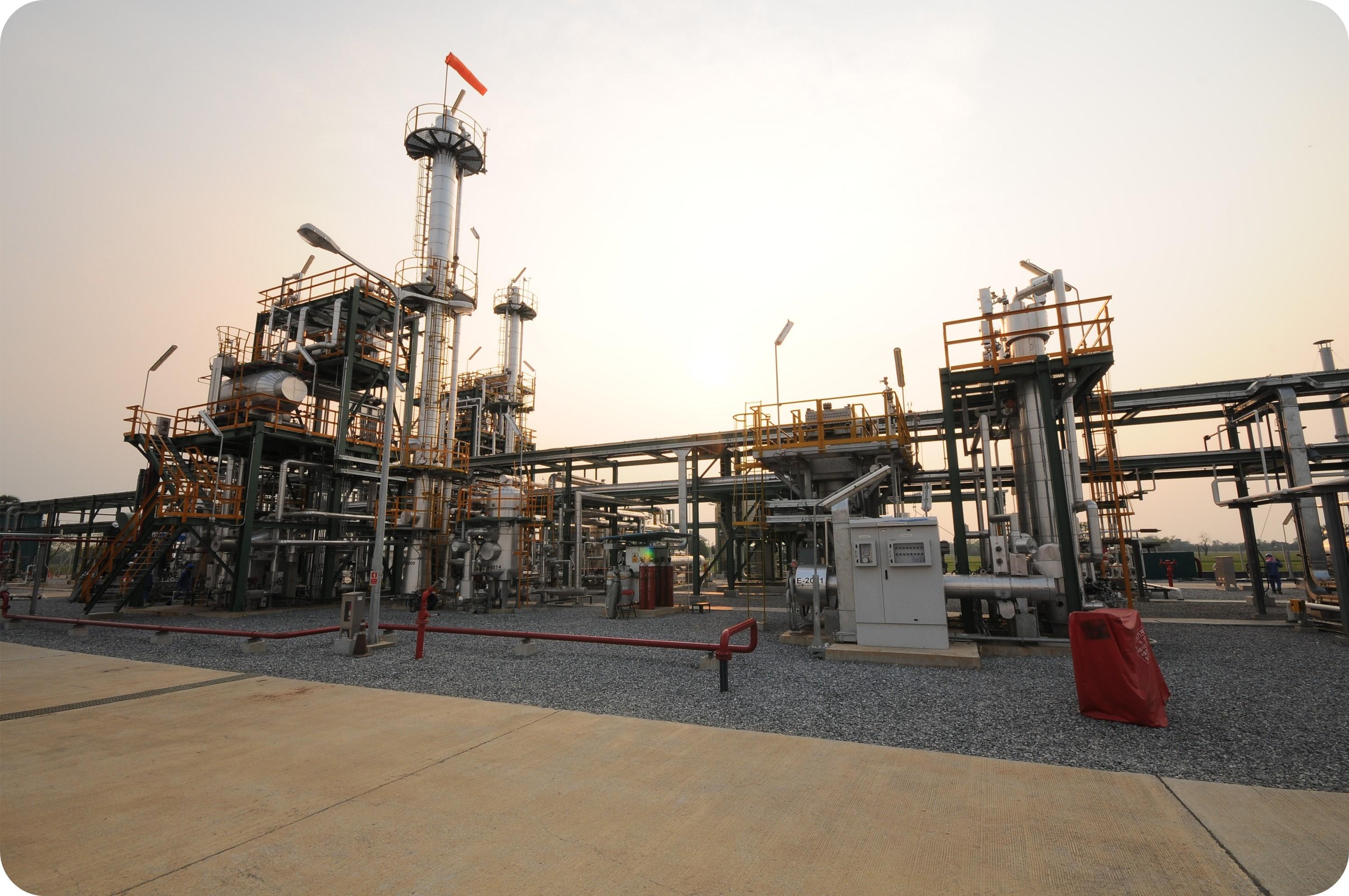
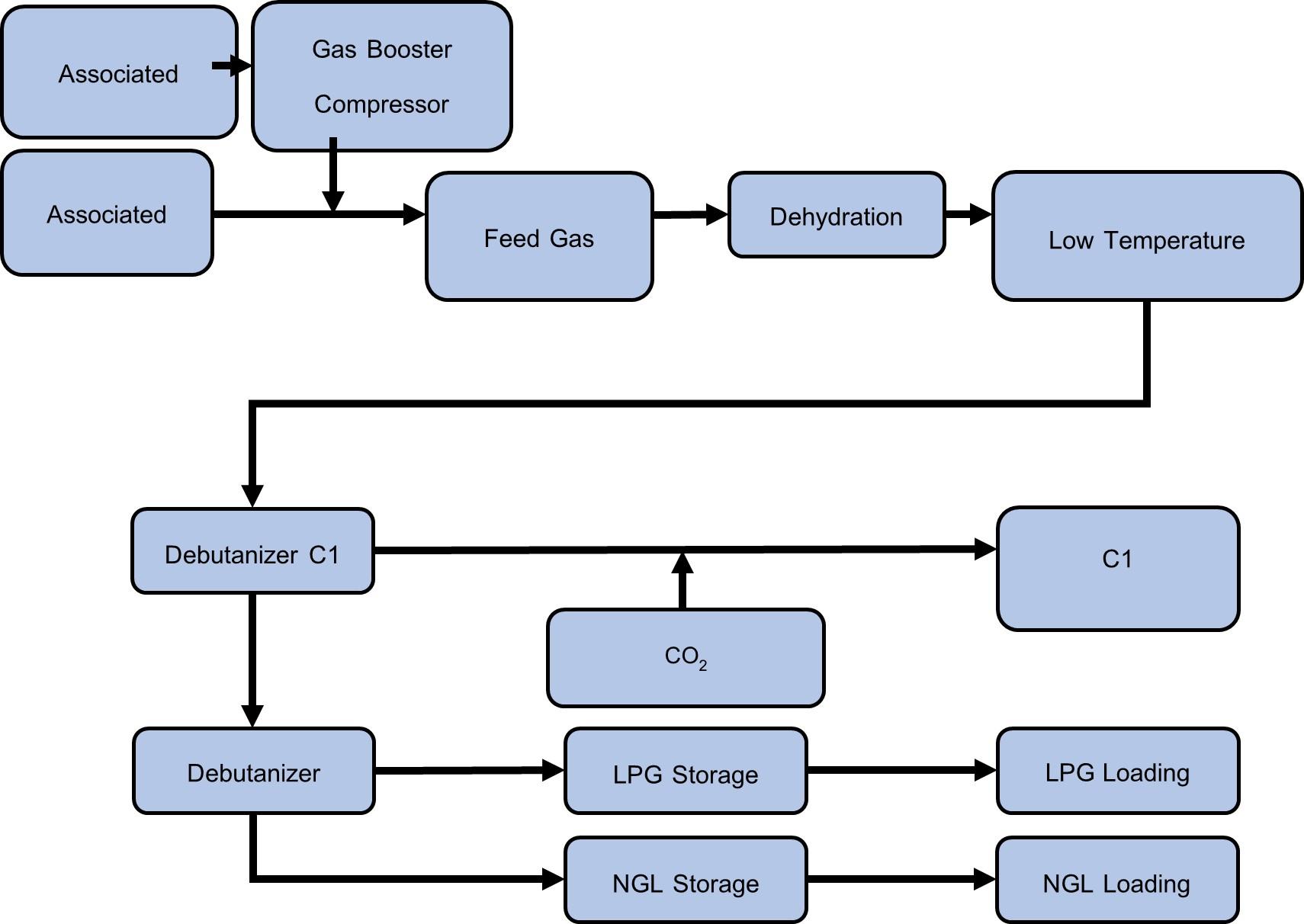
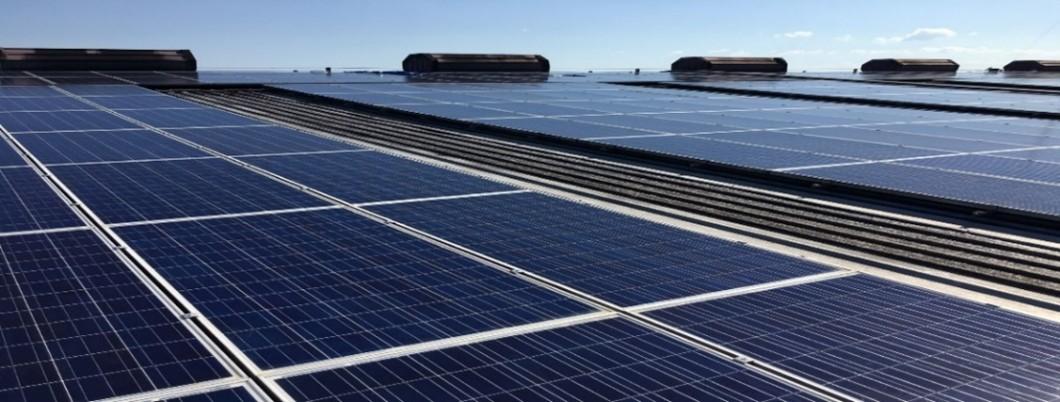
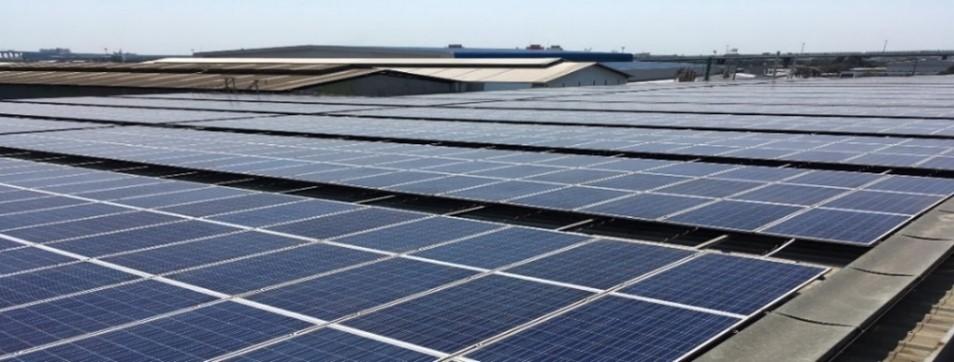
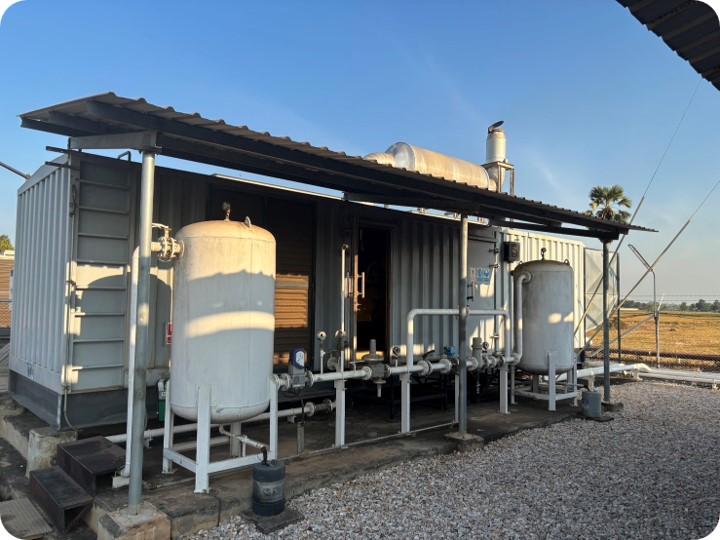
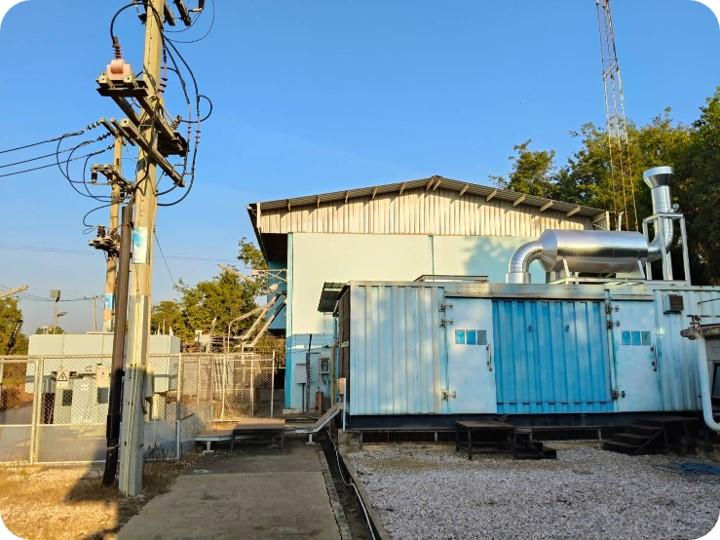
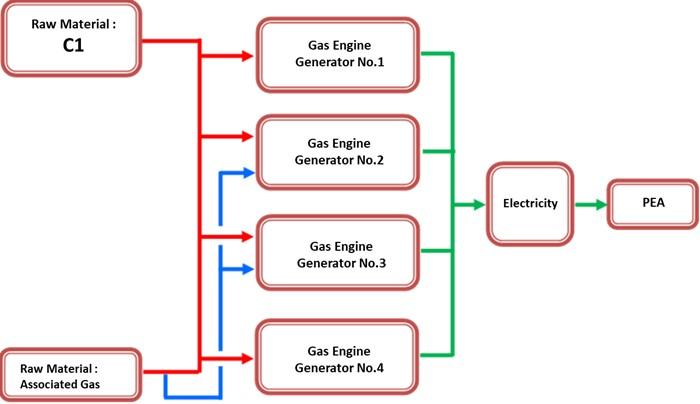
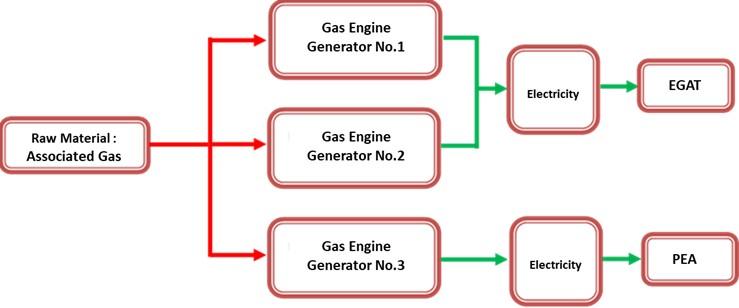
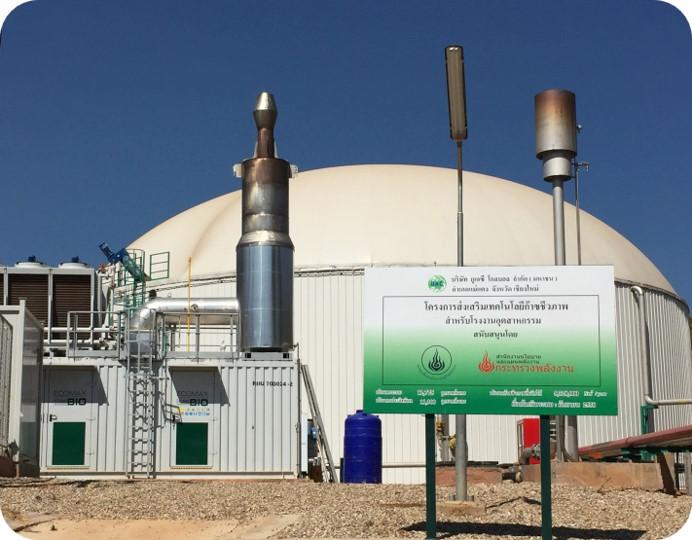
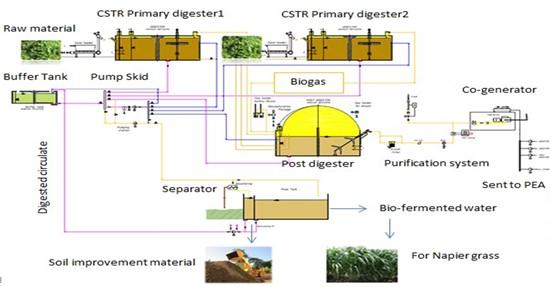
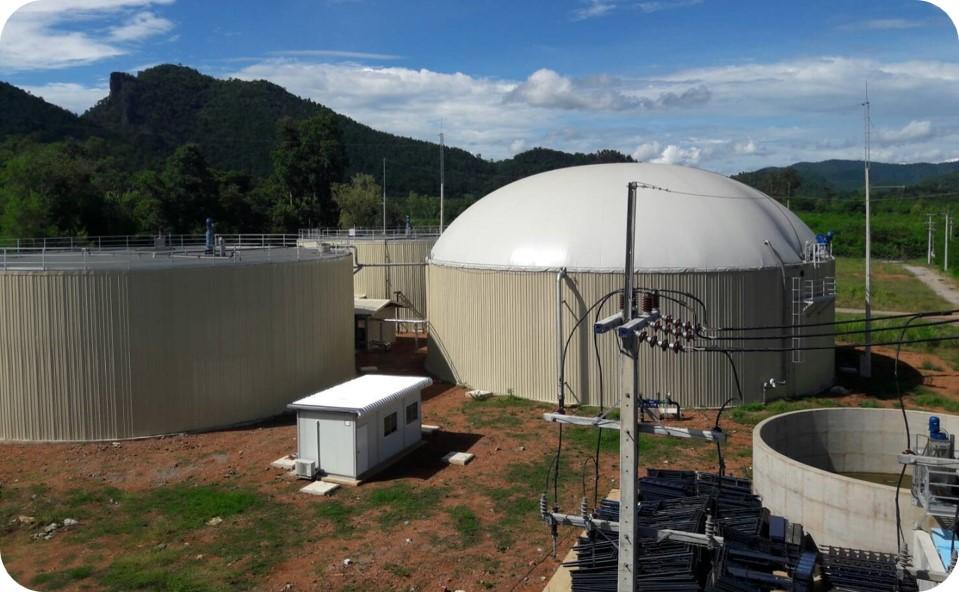
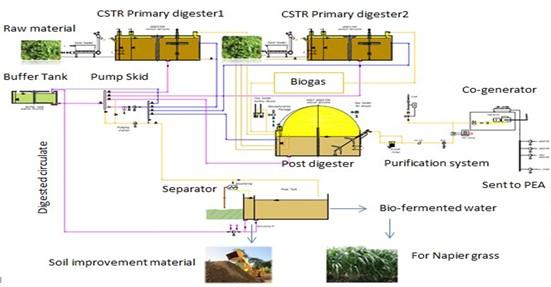
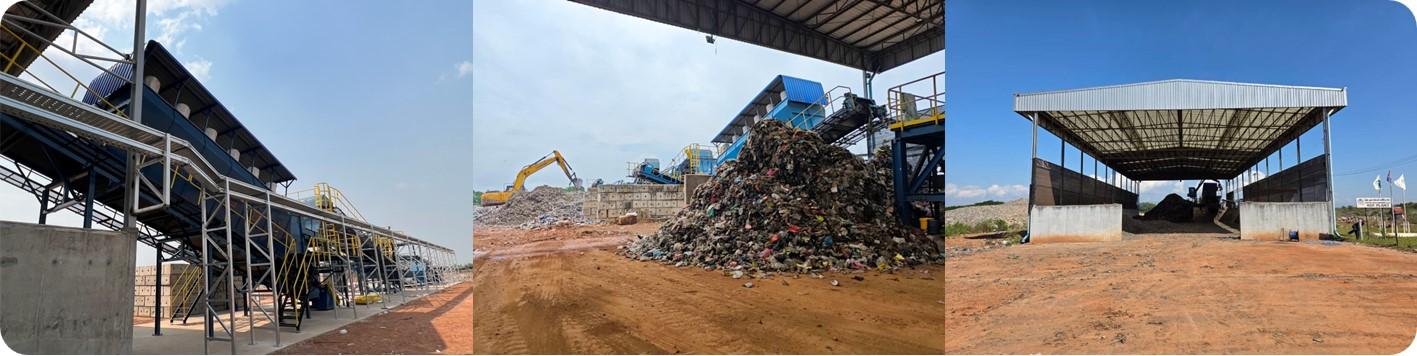
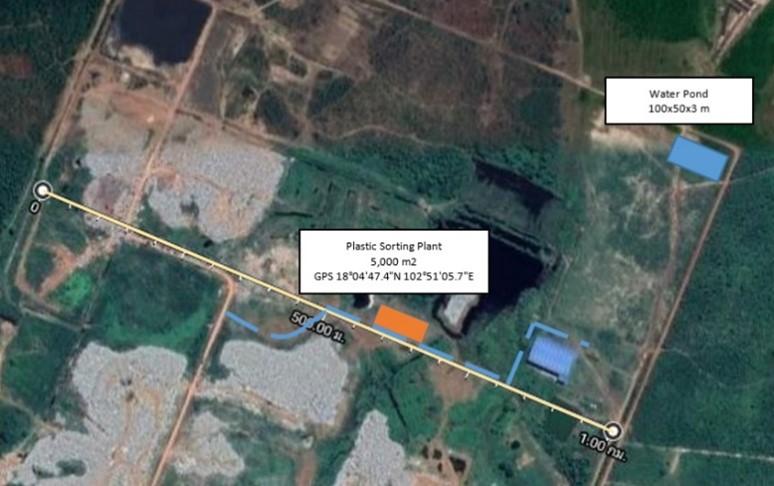
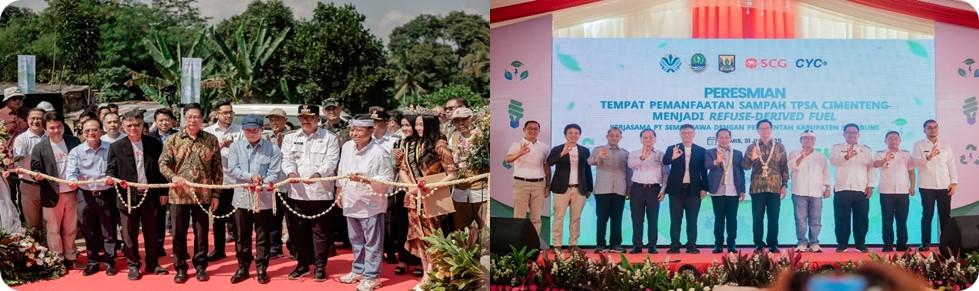

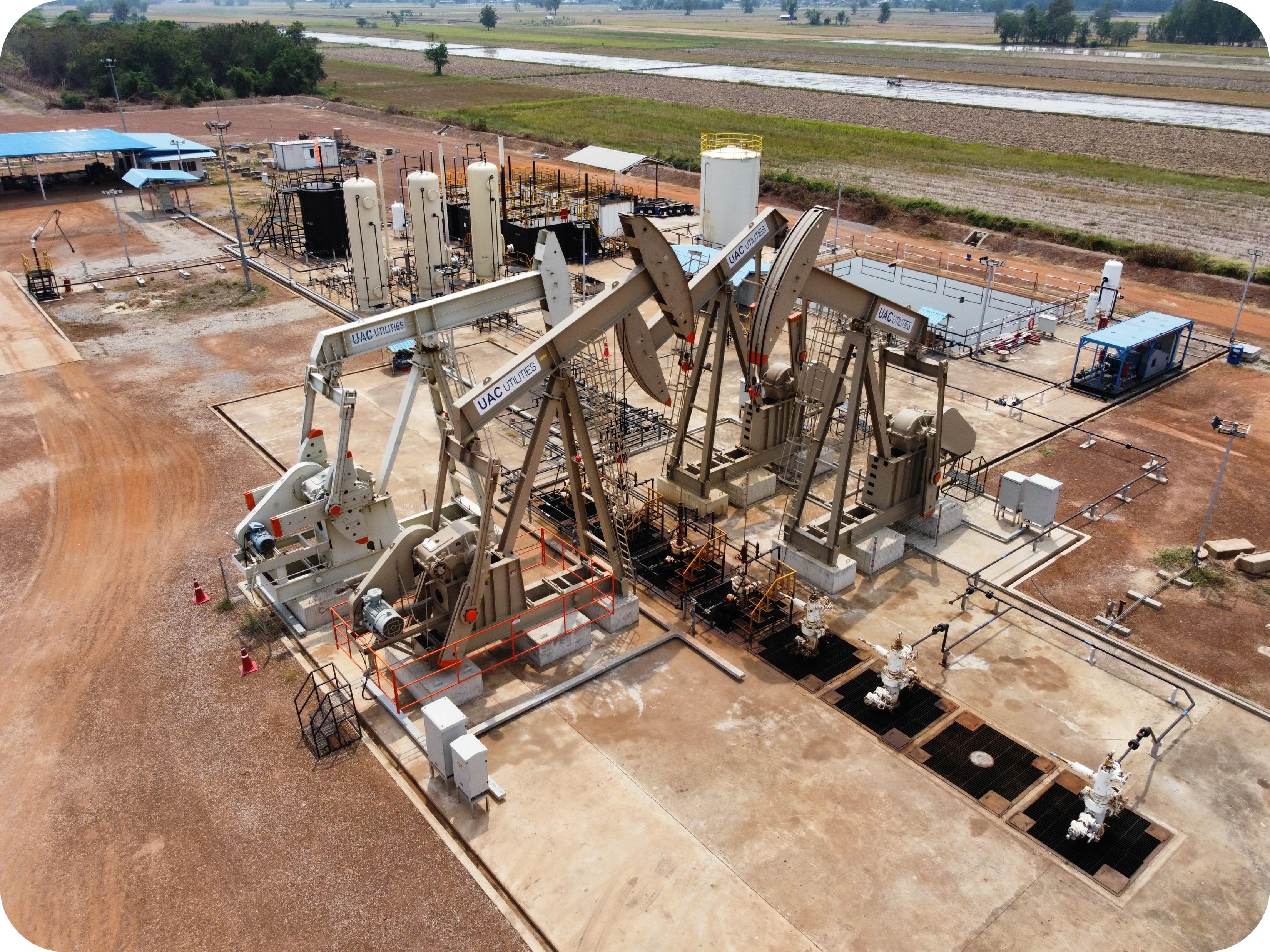
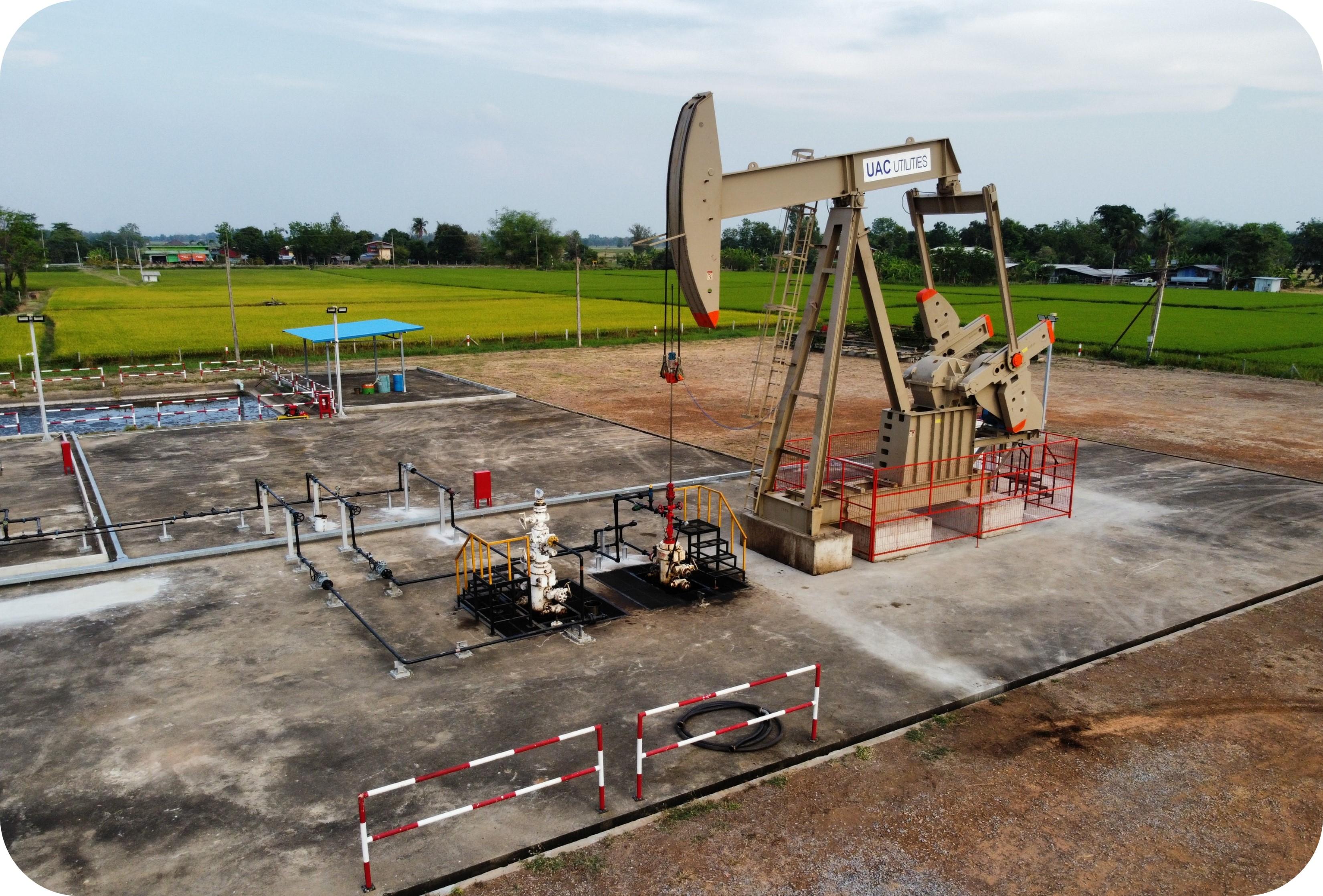
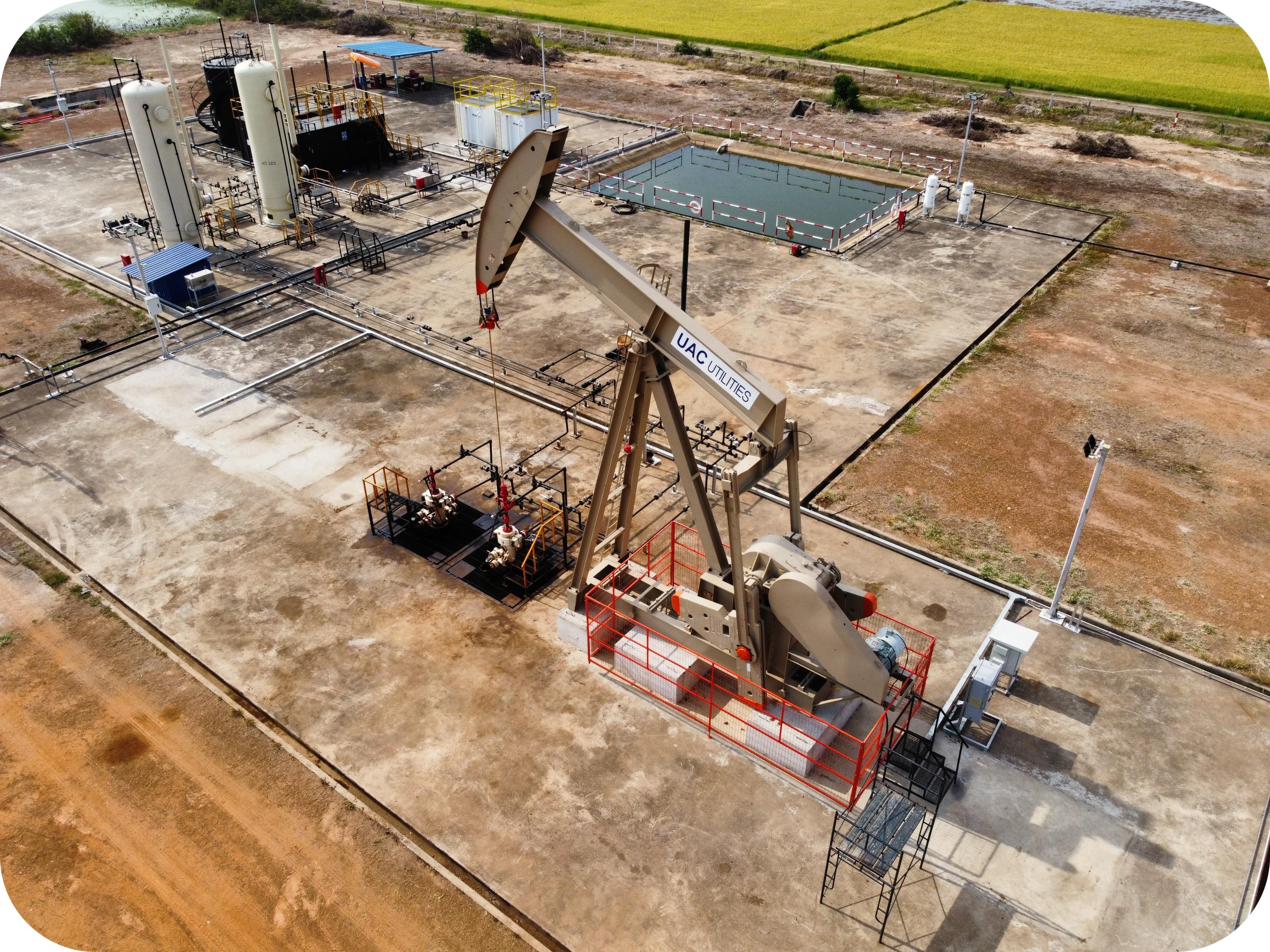
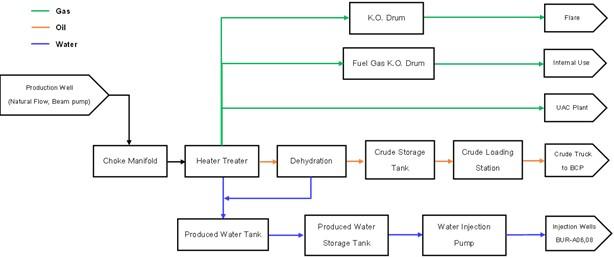
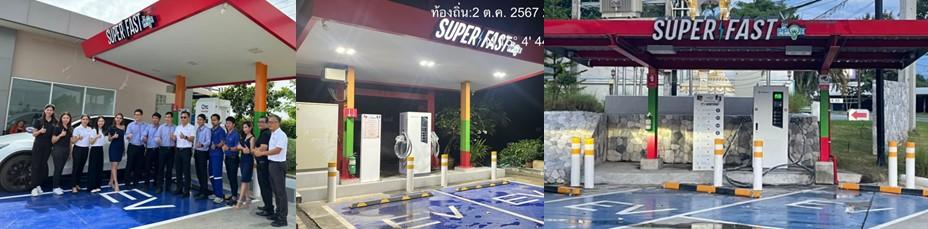
Research & Development
Has R&D Policy (Y/N)
Yes
R&D Cost — Description
The Company foresaw the importance of innovative research and development and had applied them with various processes to enhance efficiency, minimize working period, increase quality of products and services to meet the customers’ requirements, reduce energy consumption and production costs as well as minimize impacts to environment and the communities. During the past year, the Company had invested and spent total budget of 1.06 million Baht or representing 0.60 percent of revenues in research and development with details as follows:
On Import and Supply of Chemicals and Equipment for Industrial Use with Budget of 0.36 million Baht
Description | Expenses in 2025 |
1. Research and development jointly with the principals to explore new products to respond to requirements of the markets and net zero project to minimize greenhouse gas, energy consumption and emission, such as CO2Membrane for carbon capture, utilization, and storage (CCUS) project, catalyst, and adsorbent in production of jet fuel from used cooking oil. /1 | 0.03 million Baht |
2. Research and development of oil additive from bio raw materials project. /1 | 0.03 million Baht |
3. Study and develop the project on maximizing benefits of waste in production process/2 | 0.10 million Baht |
4. Research and development in a project to separate oil from used bleached flour to be used as raw material in the production of fuel and biochemicals in collaboration with the business partner./3 | 0.10 million Baht |
5. Study, develop and test additives with automotive oils in collaboration with the Principal./3 | 0.10 million Baht |
/1 Project no. 1 and 2: Joint meetings have been arranged between the customers and the principals to exchange information and present products and services to meet the customers’ requirements periodically throughout 2025. Both projects will be conducted continually in 2026.
/2 Project no. 3: This project is expected that the study will be conducted continually in 2026.
/3 Projects no. 4 and no. 5: They are new projects which will be jointly conducts with the business partners and it is expected the study will be continually in 2026.
On Investment in Renewable and Alternative Energy Projects with Budget of 0.70 million Baht
Description | Expenses in 2025 |
1. Research and development on production of biochar from soil amendment materials and agricultural waste materials | 0.30 million Baht |
2. Research and development of high-quality soil amendment materials mixed with microbial supplemented biochar for use in the agricultural purpose. | 0.10 million Baht |
3. Study on usage benefits of areas left from planting Napier grass by planting herb and other economic plants. | 0.10 million Baht |
4. Study and development of charcoal briquette products from bamboo, hemp and soil amendment materials. | 0.20 million Baht |
R&D Cost — Label
Research and development (R&D) expenses over the past 3 years (Million Baht)
R&D Cost — This Year
1.06
R&D Cost — Last Year
1.56
R&D Cost — 2 Years Ago
7.32
Assets Used in the Business
Permanent Assets — Description
Information regarding the assets employed in the Company’s operations is presented in Attachment 4.
Intangible Assets — Description
N/A
Has Subsidiaries Investment Policy (Y/N)
Yes
Subsidiaries Investment Policy — Description
The Company has a policy to invest in the business related to its main business which has potential to generate profit and opportunity to grow to enhance its profitability or in business which has synergy with the Company that can complement its main business operations at full cycle or can add more value to its business. In case of investment in the subsidiary, the Company will control or stipulate the management policy as well as appoint the Company’s representative to be the director in such company as per shareholding proportion and attend the meeting as the shareholder. The Company’s representative has duty to vote in the meeting pursuant to the guideline or direction considered by the Board of Directors. However, when investing in the associated companies, the Company has a policy not to get much involve in controlling of those companies. The Company will consider about the appointment of the Compa ny’s representative to be the director in any subsidiary or associated company as appropriated and subject to mutual agreement. The representative may be the Chairman of Executive Committee, the President, top-level management or any person who has qualifications and experiences suitable with business of such company.
Marketing Policy & Competition
Reporting Mode
3117
Marketing Policy (Overall)
The marketing policies relating to the Company’s principal products and services during the year are presented in the section entitled ‘Nature of Products or Services.
Industry & Competition (Overall)
The competitive landscape within the industry during the past year is described in the section ‘Nature of Products or Services.
Procurement of Products & Services
Reporting Mode
3117
Procurement (Overall)
The procurement of products and services is described in the section ‘Nature of Products or Services.
Raw Material Acquisition (Overall)
Information regarding the sourcing of raw materials for production and service operations is presented under the section entitled ‘Nature of Products or Services.
Production Capacity (Overall)
| Item | Unit | Unit (if Other) | Used | Capacity |
|---|---|---|---|---|
| MT Plant | Others | MW. | 0 | 0 |
Domestic/Overseas Purchase Proportion (Overall)
| Raw Material | Source Country | Value |
|---|---|---|
| Napier | Thailand | 18,000,000 |
Projects Under Construction
Has Projects Under Construction (Y/N)
No
Debentures & Bills of Exchange
Has Debentures (Y/N)
Yes
Debentures
| Debenture Name | Interest Rate (%) | Outstanding | Maturity Date | Term | Types |
|---|---|---|---|---|---|
| UAC256A II/HNW | 4.8 | 0 | 14 June 2025 | 3 | 2789 · Description: Senior Debenture |
Convertible Securities
Has Convertible Securities (Y/N)
No